
Fiber Laser Marking Machine
Fiber Laser Marking Machine
Introduction
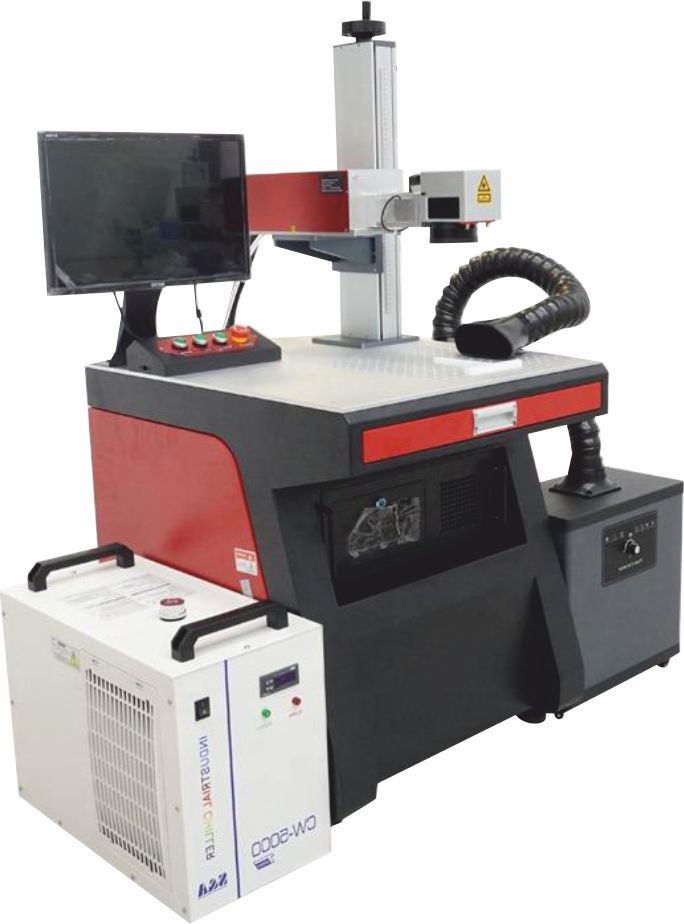
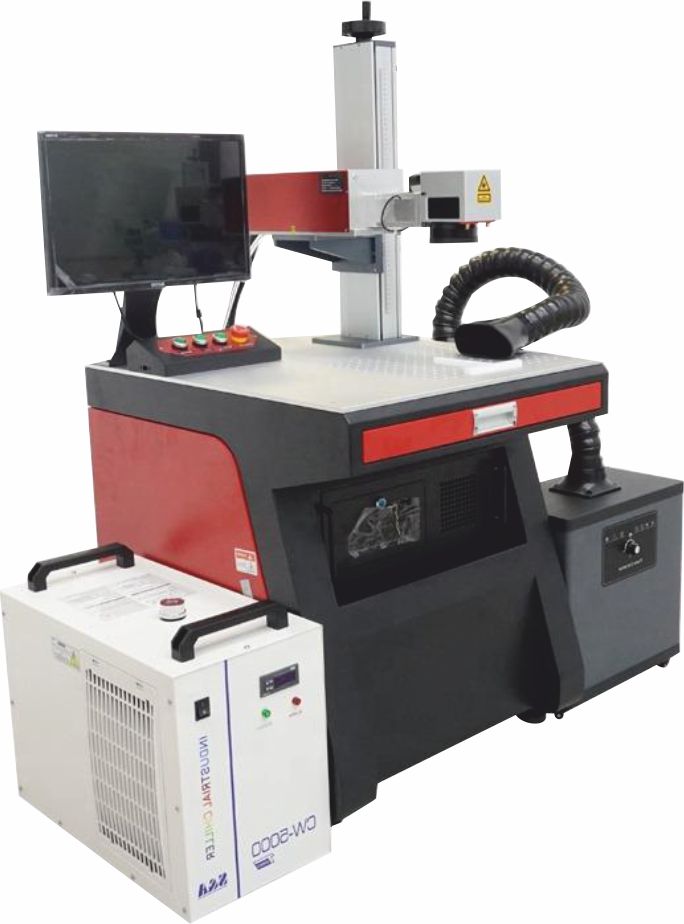
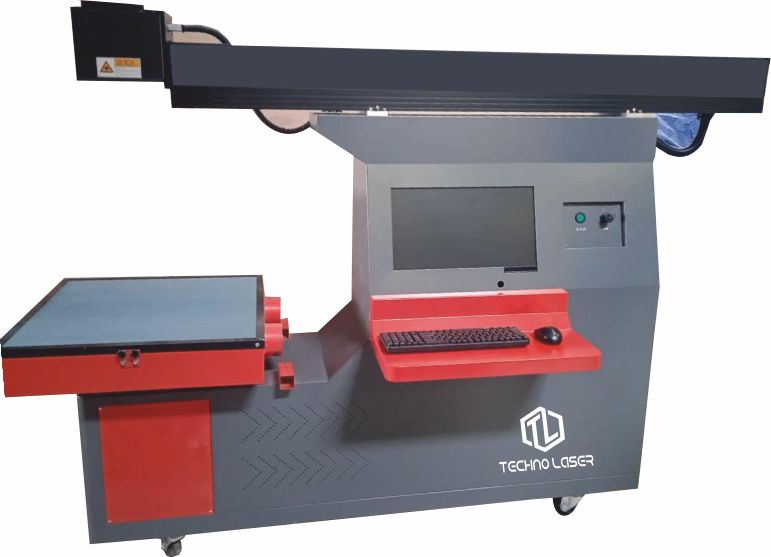
A Fiber Laser Marking Machine is an advanced tool that uses fiber laser technology to mark, engrave, or etch a variety of materials with high precision, speed, and efficiency. It’s widely used across industries including automotive, electronics, jewelry, medical devices, and manufacturing.
Best Applications
Fiber laser marking machines are versatile and ideal for:
1. Metal Engraving and Marking
-
Stainless steel, aluminum, copper, brass, titanium
2. Electronics and Semiconductors
-
PCB coding, microchip labeling, barcodes, and QR codes
-
Permanent, legible marks without damaging delicate parts
3. Jewelry and Watches
-
Fine engraving of gold, silver, and platinum
4. Medical Device Marking
-
Surgical instruments, implants, and diagnostics tools
-
UDI (Unique Device Identification) compliance
5. Plastic and Polymer Products
-
ABS, polycarbonate, HDPE, and other industrial plastics
6. Tool and Die Making
-
High-contrast, wear-resistant marks on precision tools
7. Packaging and Branding
-
Date codes, lot numbers, brand names on bottles, cans, and boxes
Key Features of a High-Quality Fiber Laser Marking Machine
1. Laser Source Power (20W to 100W+)
-
Choose based on your material type and depth requirement
2. Galvanometer Scanning Head
-
High-speed, precision marking with low distortion
3. Long Service Life
-
Fiber lasers typically have a lifespan of 100,000+ hours
4. High-Speed Marking
-
Up to 7,000 mm/s
-
Increases production efficiency for large volumes
5. Fine Resolution
-
Marking resolution up to ±0.001 mm
-
Ideal for micro-marking and detailed designs
6. No Consumables
-
No need for inks, chemicals, or gases
7. Software Compatibility
-
Supports software like EzCAD, compatible with AI, DXF, PLT, SVG, BMP
-
Easy to integrate with automated production lines
8. Compact and Modular Design
-
Desktop or portable options
9. Air-Cooled System
-
No water cooling necessary
-
Safer and easier to maintain
FAQ: Fiber Laser Marking Machines
Q1: What materials can a fiber laser marking machine work on?
A: Fiber laser marking machines are best suited for metals such as stainless steel, aluminum, brass, copper, gold, silver, titanium, and hard plastics like ABS and polycarbonate. They can also mark some ceramics and coated materials. However, they are not ideal for wood, glass, or transparent plastics—CO₂ lasers are better suited for those.
Q2: How does fiber laser marking work?
A: Fiber laser marking uses a focused beam of light from a fiber laser source to alter the surface of a material. The process involves localized heating, which causes oxidation or vaporization, creating a permanent mark. The laser beam is controlled by a galvanometer (mirror system) to move rapidly and accurately across the material surface.
Q3: What are the advantages of fiber laser marking over traditional methods?
A: Key benefits include:
-
High precision and clarity, even on small components
-
Fast marking speed, improving productivity
-
Non-contact process, which means no physical wear and tear
-
Low operating cost, thanks to long laser life and no consumables
Q4: How do I choose the right wattage?
A: Wattage depends on the material and the depth of the mark:
-
20W–30W: Light marking, barcodes, serial numbers on metal/plastic
-
100W+: Heavy-duty applications, high-speed deep engraving on tough metals
Q5: Can it be used for color marking?
A: Yes, but it depends on the material and machine configuration. Some fiber lasers can produce color markings on stainless steel and titanium through controlled heat oxidation. However, color marking is more sensitive and slower compared to standard marking.
Q6: What maintenance is required?
A: Very little. Since fiber lasers are solid-state and air-cooled, there’s no need for regular part replacement or liquid cooling systems. Basic dusting and checking for lens cleanliness are generally sufficient.
Q7: Is training required to operate the machine?
A: Basic training is recommended, especially on using the software (like EzCAD) and understanding safety precautions. Most suppliers provide online or in-person training upon purchase.
Q8: Is fiber laser marking safe?
A: Yes, but proper safety measures are essential:
-
Use protective eyewear (lasers are Class 4 devices)
-
Proper ventilation in the work area to remove fumes
Related Keywords

Quick Enquiry

Our Products
Popular Links
Get In Touch
28,B-Gaikwad Industrial Estate, Near Polaris Industrial Estate, Bakrol-Indore Highway, Kuha Ahmedabad - 382433, Gujarat, India.
technolaser11@gmail.com
+91 8200009229
+91 9157575733
© Techno Laser. All Rights Reserved.
Designed by industrieslead.com