
Fiber Laser Marking System for Metal
Fiber Laser Marking System for Metal
Introduction
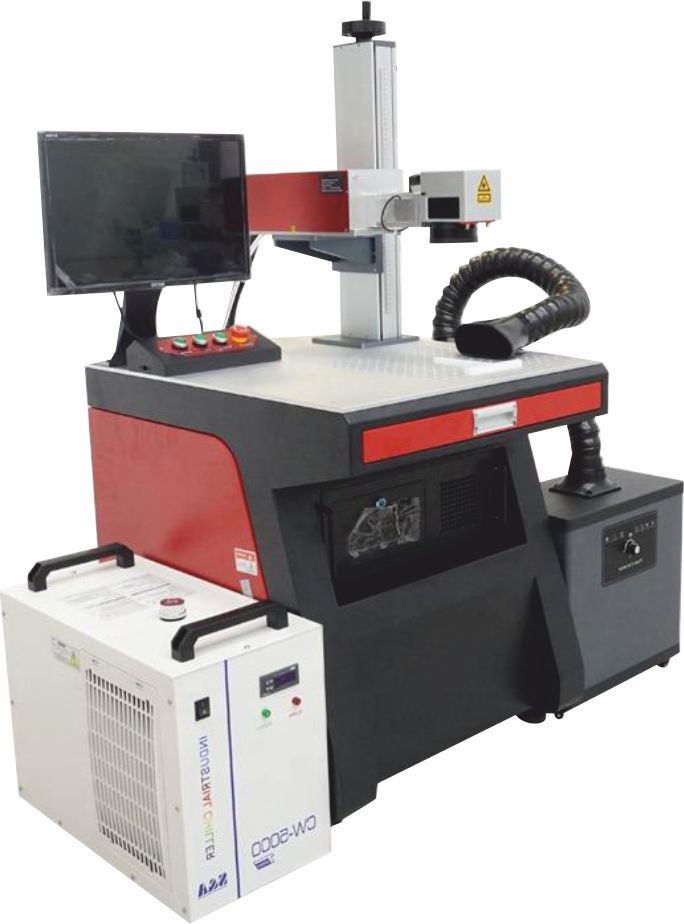
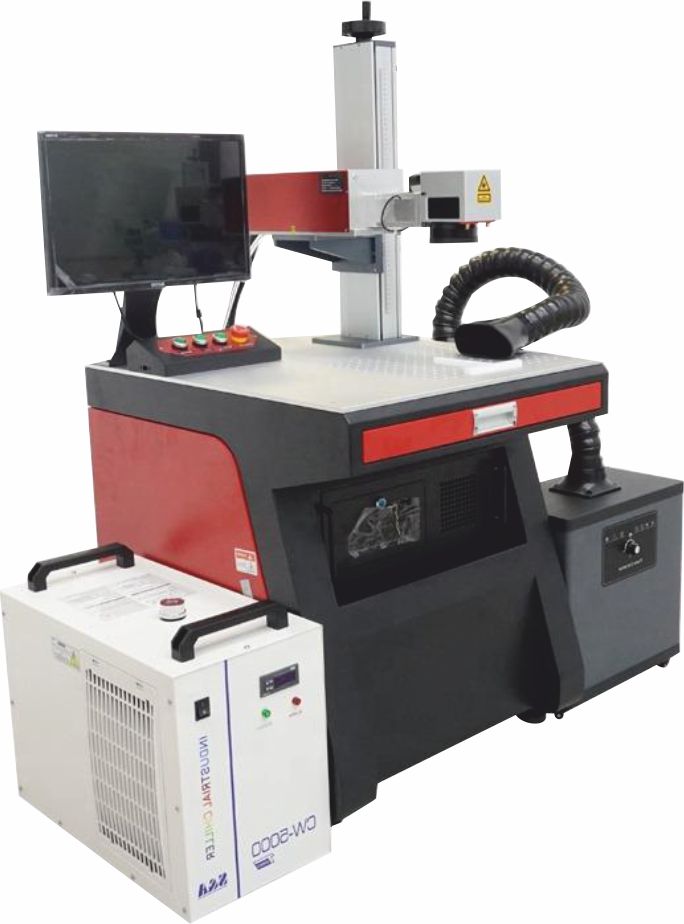
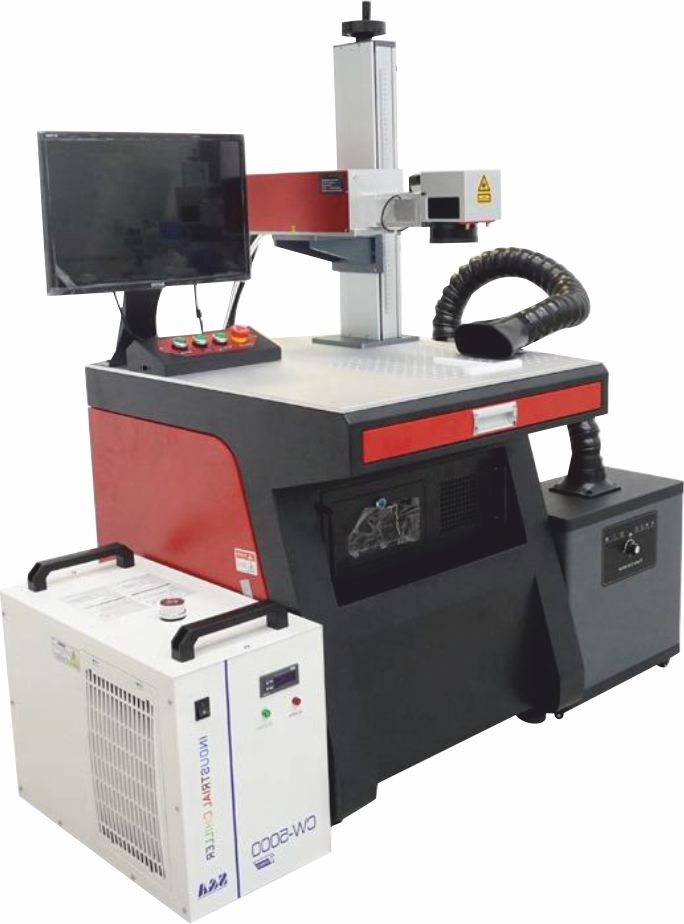
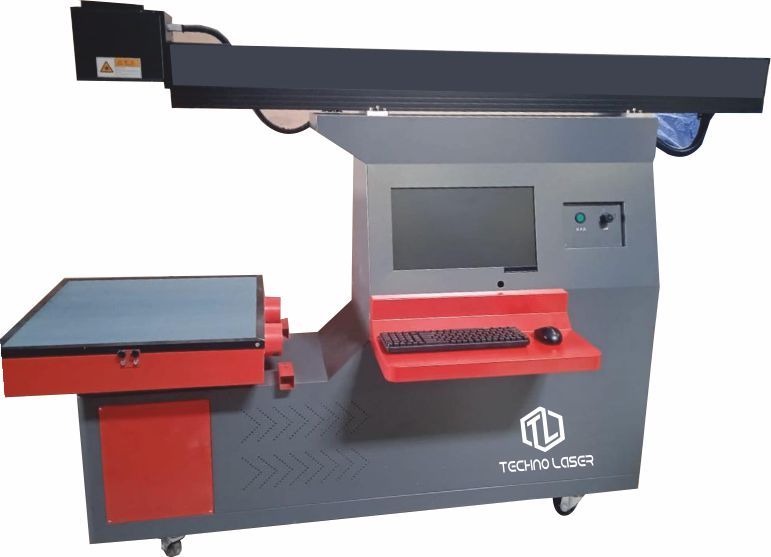
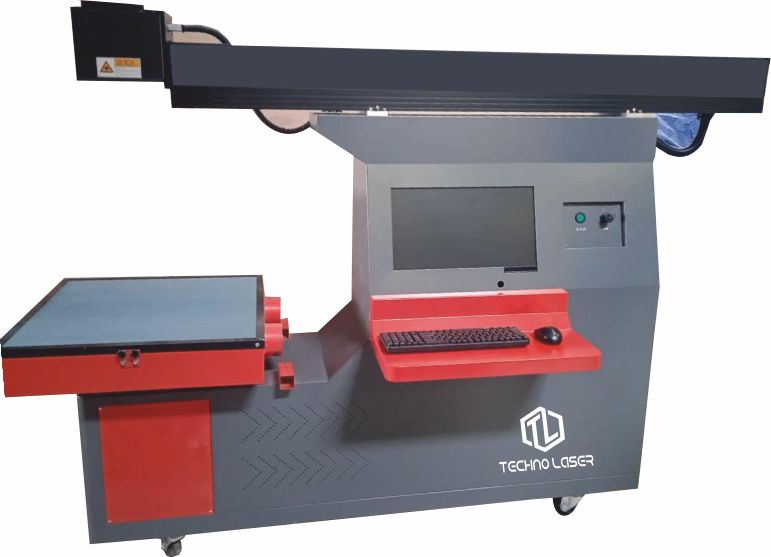
A Fiber Laser Marking System is a high-precision tool that uses a fiber laser beam to permanently mark or engrave metals and other hard materials. It operates by focusing a laser beam onto a metal surface, which results in high-contrast, durable markings like barcodes, serial numbers, logos, or QR codes. Unlike traditional engraving, fiber laser marking is non-contact, highly efficient, and maintenance-friendly. It’s widely adopted in industries like aerospace, automotive, medical devices, jewelry, and electronics due to its speed, accuracy, and consistency.
Key Features
-
High Precision & Resolution
-
Capable of producing extremely fine details (as small as 0.001mm).
-
-
Speed & Efficiency
-
Long Service Life
-
Fiber laser sources typically last up to 100,000 hours.
-
-
Low Maintenance
-
Air-cooled system; no consumables or frequent part replacements needed.
-
-
No Contact & Non-Thermal Process
-
No physical wear on tools and minimal heat-affected zones.
-
-
Environmentally Friendly
-
No chemicals or ink involved, and low energy consumption.
-
-
User-Friendly Interface
-
Compatible with software like EZCAD or proprietary interfaces for easy operation.
-
-
Multi-Material Compatibility
Applications
-
Automotive: VIN numbers, gear parts, dashboards.
-
Electronics: PCB boards, connectors, microchips.
-
Medical Devices: Surgical tools, implants with traceable codes.
-
Jewelry: Serial numbers, logos, and fine art engraving.
-
Aerospace: Engine parts, structural components.
-
Manufacturing: Tools, bolts, machine parts.
-
Packaging: Date codes, barcodes on metal packaging.
-
Defense: Marking weapons, armor plates with serials or identification codes.
Compatible Materials
Fiber lasers can mark almost any type of metal, including:
-
Stainless Steel
-
Aluminum
-
Titanium
-
Brass
-
Copper
-
Gold and Silver
-
Chrome
-
Metal Alloys
Why Choose Us
-
Industry-Leading Technology
-
We integrate world-renowned components like Raycus, IPG, or JPT laser sources.
-
-
Customization Available
-
Tailored machines based on industry and material requirements.
-
-
Exceptional Support
-
Strict Quality Control
-
ISO, CE, and FDA-certified equipment with 100% testing before delivery.
-
-
Affordable & Transparent Pricing
-
High performance without hidden costs. ROI-focused pricing models.
-
-
Global Shipping & Installation
-
We ship worldwide with optional on-site setup and training services.
-
-
Warranty & Spare Parts
Conclusion
A Fiber Laser Marking System for Metal is a must-have tool for modern manufacturing and industrial traceability. It offers unparalleled precision, reliability, and longevity with minimal operational cost. Whether you are a small business owner or a multinational manufacturer, fiber laser technology provides a scalable solution that enhances product traceability, aesthetics, and compliance.
Frequently Asked Questions (FAQs)
1. What is the difference between fiber laser marking and engraving?
Answer:
Fiber laser marking changes the surface color of the metal by oxidizing it through laser heat, without physically removing any material. It's ideal for fast, shallow, high-contrast marks.
Engraving, on the other hand, involves removing material to create a deeper impression. While both use a laser, engraving generally takes more time and produces more wear on the surface.
2. Can a fiber laser mark coated or painted metals?
Answer:
Yes, fiber lasers can mark coated or painted surfaces, although results may vary depending on the coating thickness and composition. In some cases, the laser will remove the coating to expose the base metal; in others, it might discolor the surface without penetration. It’s always recommended to test sample parts before full production.
3. Is it safe to use a fiber laser marking machine in a regular workspace?
Answer:
Fiber laser systems are relatively safe, especially when enclosed and fitted with safety interlocks. However, proper safety protocols must be followed, such as using protective goggles, operating in a designated laser-safe area, and adhering to laser safety class guidelines. Most industrial units are Class 1 when enclosed and Class 4 when open.
4. How do I maintain a fiber laser machine?
Answer:
Fiber laser machines require minimal maintenance. Key practices include:
-
Keeping the lens and galvo head clean.
-
Ensuring the air-cooling system is functional.
-
Avoiding high humidity or dust-laden environments.
These machines have no consumables, which significantly reduces maintenance tasks.
5. How long does it take to mark a product?
Answer:
The marking time depends on the complexity of the design, size of the area, and type of material. For example, a simple serial number can be marked in less than a second, while complex logos or barcodes may take 2–5 seconds. The system is ideal for high-throughput production.
6. Can fiber lasers mark plastics or non-metals?
Answer:
Fiber lasers are primarily optimized for metals. However, they can mark some engineered plastics and polymers (like ABS or polycarbonate) with proper settings. For marking organic materials (wood, glass, leather), CO₂ or UV lasers are better suited.
7. What power level should I choose (20W, 30W, 50W, 100W)?
Answer:
-
20W: Light-duty applications like text, logos on small parts.
-
30W: Most popular, good for barcodes, deep marking on soft metals.
-
100W+: Heavy-duty, deep engraving, large-scale industrial production.
Your choice depends on workload, material type, and speed requirements.
Related Keywords

Quick Enquiry

Our Products
Popular Links
Get In Touch
28,B-Gaikwad Industrial Estate, Near Polaris Industrial Estate, Bakrol-Indore Highway, Kuha Ahmedabad - 382433, Gujarat, India.
technolaser11@gmail.com
+91 8200009229
+91 9157575733
© Techno Laser. All Rights Reserved.
Designed by industrieslead.com