
Laser Engraving Machines
Laser Engraving Machines
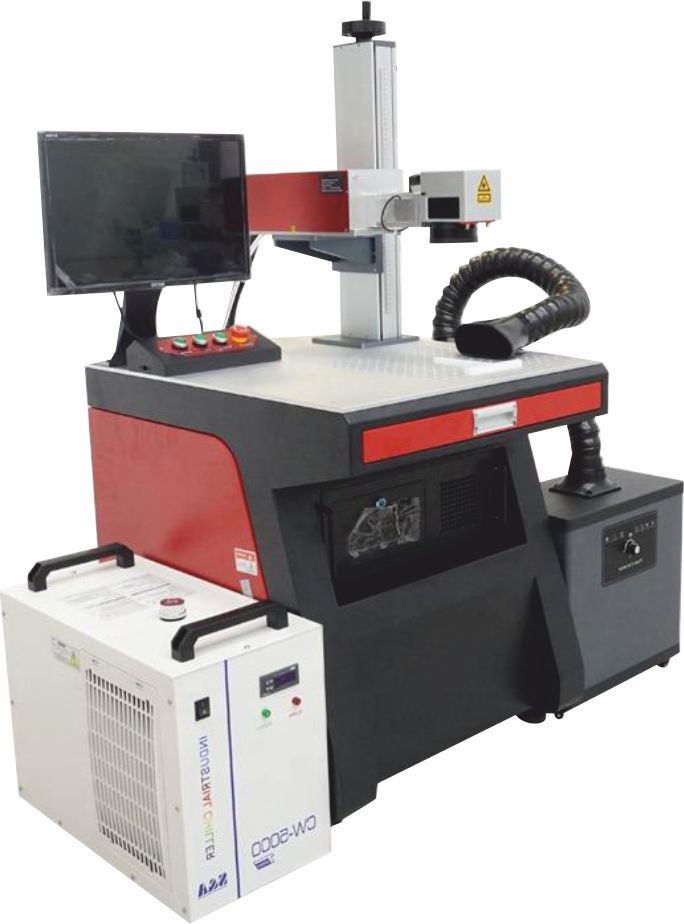
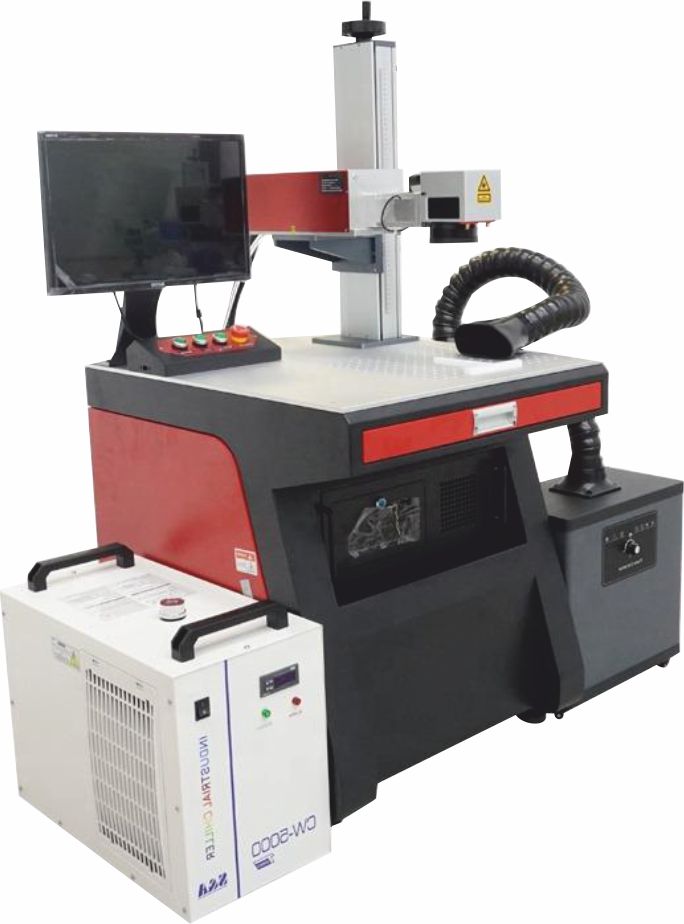
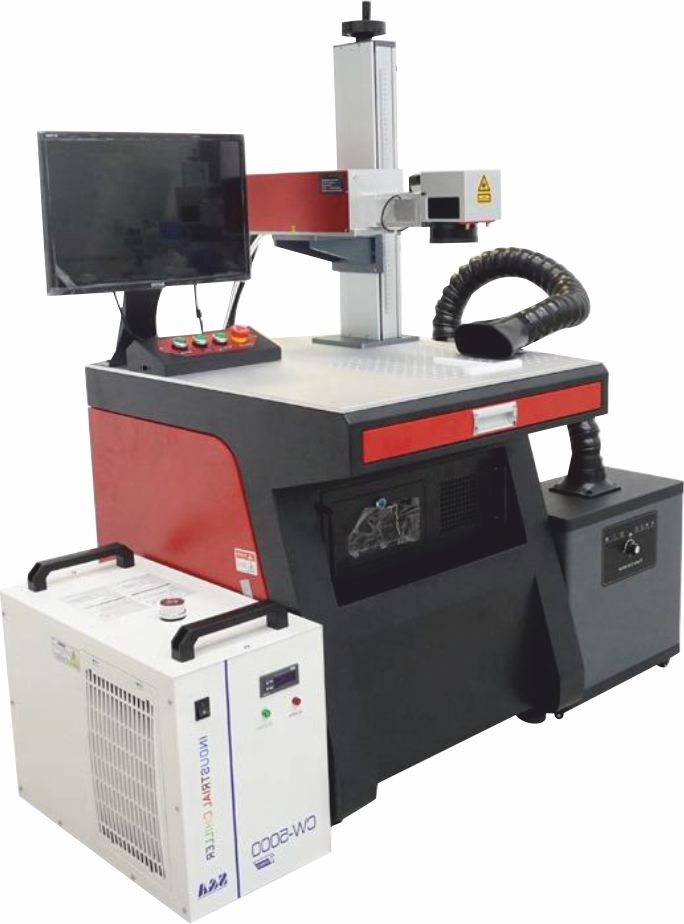
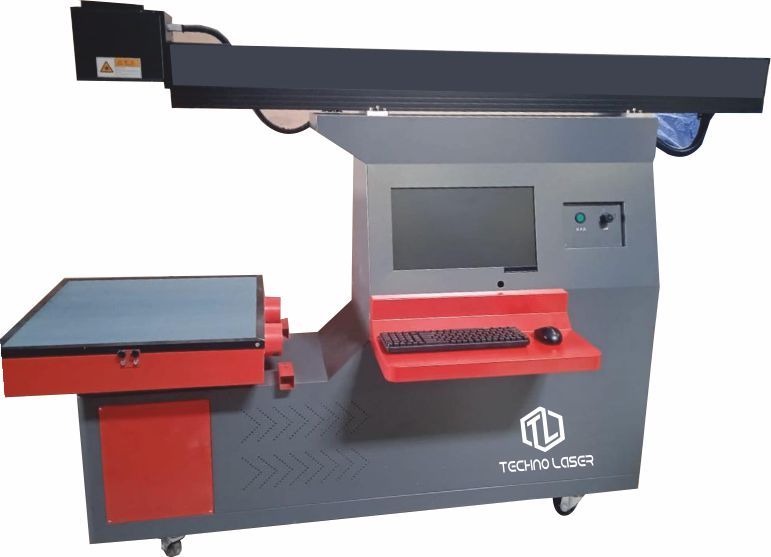
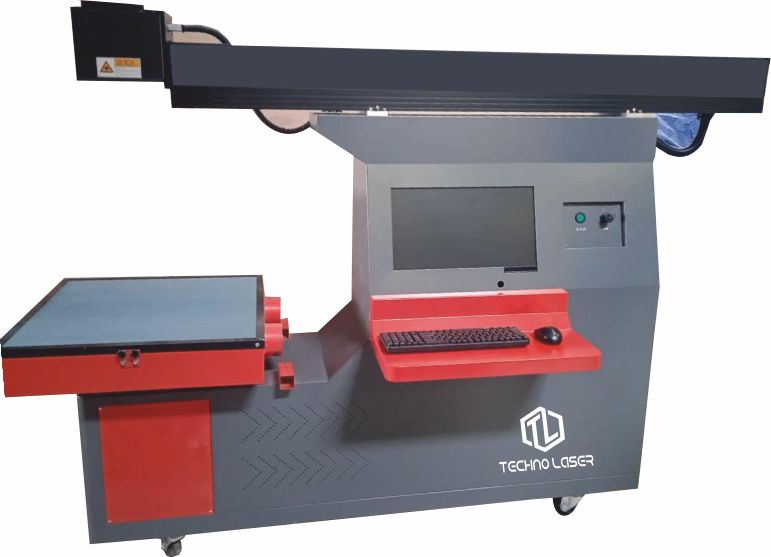
Laser engraving machines have revolutionized various industries by offering precise and versatile marking and engraving solutions. These machines use focused laser beams to etch patterns, logos, text, or designs onto a variety of materials, including wood, metal, glass, acrylic, and leather.
Applications
Laser engraving is a popular method in a variety of fields. Some of the best and most common applications include:
-
Personalized Gifts
-
Engraving names, dates, or custom designs on items like jewelry, keychains, photo frames, or wooden plaques.
-
Used for creating personalized products such as custom watches, pens, and phone cases.
-
-
Industrial and Commercial Marking
Used for creating barcodes, QR codes, serial numbers, and logos on metal parts and tools.Ideal for manufacturing processes that require permanent and clear markings, ensuring traceability.
-
Signage and Graphics
Engraving logos, signs, and promotional graphics onto various materials such as acrylic, wood, or metal for businesses and public spacesCommonly used for creating custom signs, awards, and plaques.
-
Art and Crafting
Artists use laser engraving for intricate designs on materials such as wood, leather, or canvas.Allows for high levels of precision and unique, custom artwork.
-
Medical Equipment
Permanent engraving on medical instruments for identification purposes.Marking serial numbers or manufacturer details on surgical tools or implants to ensure safety and traceability.
-
Jewelry and Watches
Laser engraving is commonly used for engraving initials, names, or intricate designs on precious metals like gold, silver, and platinum.It's ideal for creating personalized wedding bands, pendants, and other pieces of jewelry.
-
Home Décor
Laser engraving on wooden or glass home décor items such as mirrors, coasters, and picture frames.Allows for custom designs, family names, or personal messages to be added to household items.
Key Features
When selecting a laser engraving machine, consider the following key features:
-
Laser Type
CO2 Lasers: Best for engraving non-metal materials like wood, glass, acrylic, and leather.Fiber Lasers: Ideal for metals, including steel, aluminum, and brass.
Diode Lasers: Generally used for less complex engraving tasks and smaller applications.
-
Power Rating
The power of the laser (measured in watts) determines the engraving speed and material compatibility. Higher power allows for faster engraving, especially on thicker or harder materials. -
Engraving Area
The size of the area where the laser can engrave or cut. A larger engraving area is useful for working with larger pieces or bulk engraving. -
Resolution and Precision
Laser engravers offer varying levels of resolution, measured in DPI (dots per inch). A higher DPI allows for more detailed and sharper engravings. -
Speed and Efficiency
Faster engraving machines are more efficient for high-volume applications. Some machines feature adjustable speed settings to balance quality and throughput. -
Cooling System
A cooling system (usually air or water-cooled) ensures that the machine does not overheat during extended use, especially when working with high-power lasers. -
Software Compatibility
Laser engravers often come with software that allows users to design or import files for engraving. Compatibility with various design software like Adobe Illustrator, CorelDRAW, or AutoCAD is crucial. -
Safety Features
Laser engravers typically come with safety features such as protective covers, emergency stop buttons, and fume extraction systems to ensure the safety of operators.
Uses
-
Manufacturing
Engraving serial numbers, batch numbers, and other identification marks on parts.Perfect for creating permanent, durable markings that withstand harsh conditions.
-
Customization and Personalization
Creating custom gifts, branded merchandise, and personalized home items.Laser engraving is particularly popular in the customization market, where unique designs are requested by customers.
-
Art & Design
Artists use laser engravers to create intricate and detailed works of art on various materials.It enables the production of both 2D and 3D designs with high precision.
-
Prototyping and Product Development
Designers use laser engraving to mark prototype parts, enabling easy modifications and testing.It allows fast, accurate creation of prototypes for new product designs.
-
Packaging
Engraving logos, serial numbers, or instructions directly on packaging materials, reducing the need for additional labeling or stickers.
FAQ
1. What materials can I use with a laser engraving machine?
-
Laser engraving machines can work with a variety of materials, including:
Wood
Acrylic
Leather
Glass
Metal (with a fiber laser)
Stone
Ceramic
Rubber (for making stamps)
Paper and fabric (for some models)
2. How does a laser engraving machine work?
-
The laser engraving machine uses a high-powered laser beam to heat and vaporize material in a controlled manner. This process creates precise markings or designs on the surface of the material.
3. Is a laser engraving machine difficult to operate?
-
Not necessarily. Most modern laser engraving machines come with user-friendly software and intuitive controls. However, getting familiar with the machine and the software may require some practice.
4. Can I engrave on metal with a CO2 laser?
-
CO2 lasers are not effective for engraving metal. For engraving metal, you will need a fiber laser or a diode laser that is specifically designed for metal marking.
5. What are the safety precautions I should take when using a laser engraving machine?
-
Always wear protective eyewear designed for the wavelength of the laser being used.
-
Ensure the work area is well-ventilated, especially if engraving materials that produce fumes.
-
Never leave the machine running unattended and keep combustible materials away from the work area.
-
Follow the manufacturer's instructions for proper setup and use.
6. How long does a laser engraving machine last?
-
The lifespan of a laser engraving machine depends on factors such as usage, maintenance, and the quality of the machine. A well-maintained laser engraver can last for many years, with some components, like the laser tube, requiring replacement after a few thousand hours of use.
7. Can laser engraving machines be used for cutting materials?
-
Yes, many laser engraving machines can also cut materials, especially those like wood, acrylic, and leather, depending on their power and settings. However, thicker materials might require higher-powered lasers.
8. What should I consider when choosing a laser engraving machine?
-
Consider factors such as material compatibility, engraving size, laser power, resolution, and budget. Determine the main applications you need the machine for and select a model that fits those requirements.
9. Can I use my own designs for laser engraving?
-
Yes! Most laser engraving machines allow you to import designs created in programs like Adobe Illustrator, Corel DRAW, or AutoCAD. You can then adjust the design and settings before engraving.
Conclusion
Laser engraving machines are versatile tools that cater to various industries, from manufacturing and customization to art and design. Their ability to work on diverse materials with high precision makes them invaluable. By understanding their features, applications, and common FAQs, users can make informed decisions about which machine suits their needs best. Whether you're running a business or exploring a hobby, a laser engraver can unlock new possibilities for creativity and efficiency.
Keywords
| Laser Marking Technology |
| Laser Marking Solutions |
| Fiber Laser Marking Machines |
| CO2 Laser Marking Machines |
| UV Laser Marking Machines |
Related Keywords

Quick Enquiry

Our Products
Popular Links
Get In Touch
28,B-Gaikwad Industrial Estate, Near Polaris Industrial Estate, Bakrol-Indore Highway, Kuha Ahmedabad - 382433, Gujarat, India.
technolaser11@gmail.com
+91 8200009229
+91 9157575733
© Techno Laser. All Rights Reserved.
Designed by industrieslead.com