
Laser Marking Machines
Introduction to Laser Marking Machines
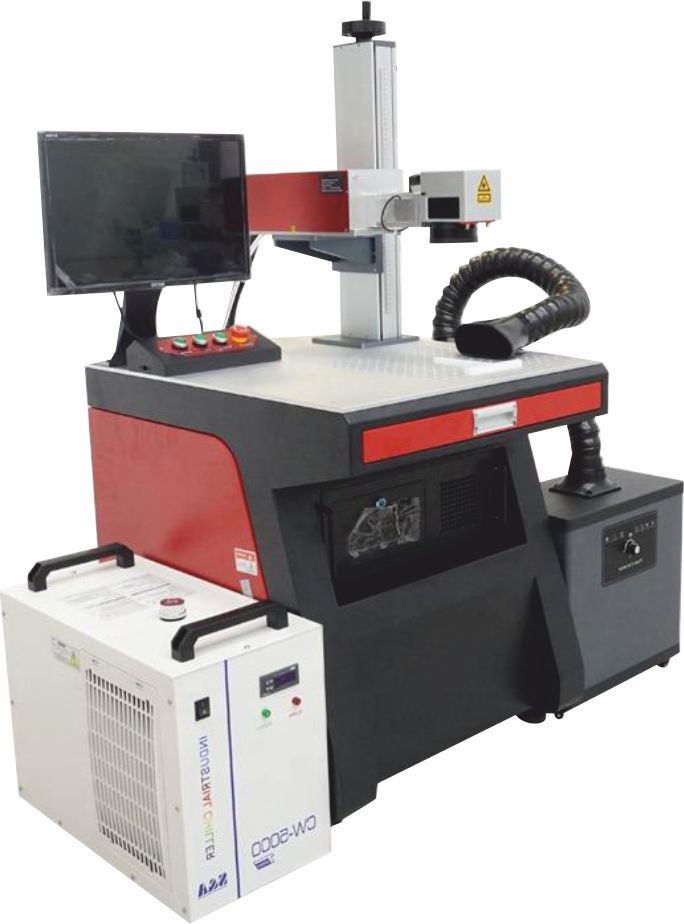
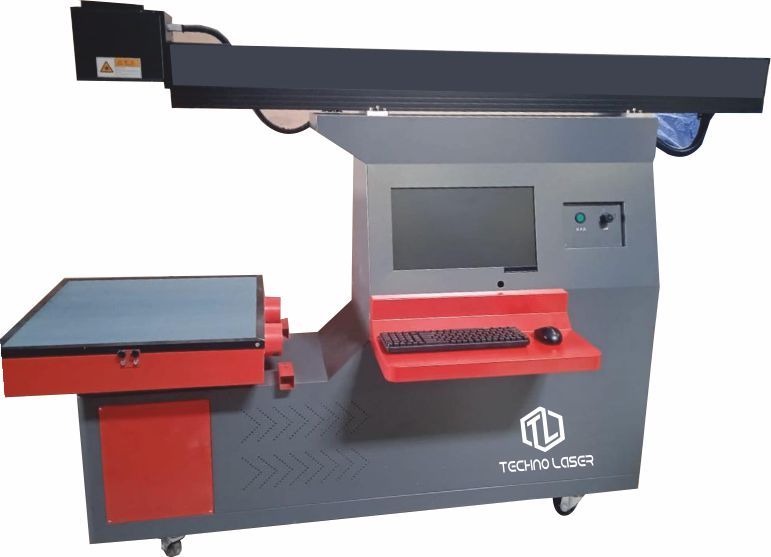
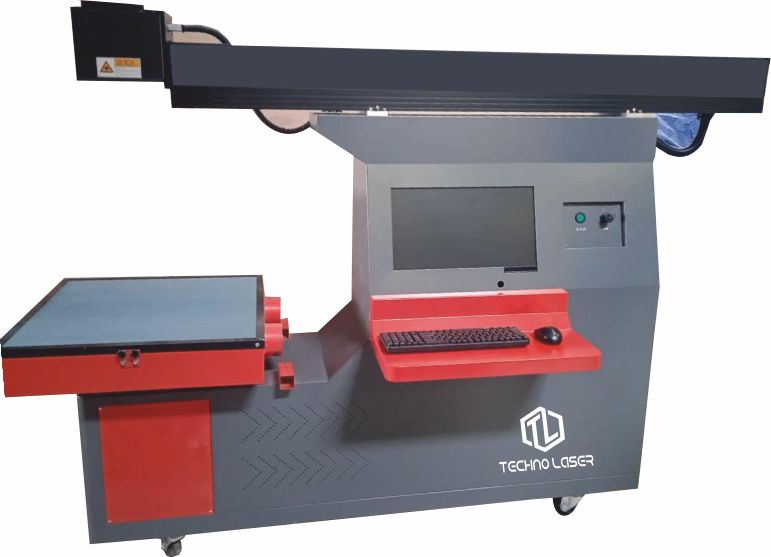
Laser marking machines are advanced devices that use laser technology to create high-precision marks on a variety of materials. These machines are widely used in industries like manufacturing, electronics, medical, and automotive for applications such as engraving, etching, and serial numbering. They offer a clean, permanent, and precise marking solution that traditional methods, such as ink-based marking, cannot achieve.
Key Features
-
Precision and Accuracy:
-
Laser marking machines are capable of delivering ultra-fine details, down to microns, ensuring the highest level of precision. This makes them ideal for intricate designs and logos on small or delicate parts.
-
-
Speed:
-
These machines can mark or engrave items at high speeds, reducing production time significantly compared to conventional marking methods.
-
-
Permanent and Durable Marks:
-
The marks produced are permanent and resistant to wear, corrosion, and fading, making them ideal for items that need to withstand harsh environments, such as metal tools or automotive parts.
-
-
Wide Material Compatibility:
-
Laser marking can be applied to a variety of materials, including metals, plastics, ceramics, glass, and even wood, making these machines versatile for multiple industries.
-
-
Non-Contact Marking:
-
Laser marking is a non-contact process, meaning the machine doesn’t physically touch the material, reducing the risk of contamination or damage to delicate items.
-
-
Environmental Friendliness:
-
Laser marking machines do not require inks, chemicals, or solvents, making them a cleaner, more eco-friendly option for marking processes.
-
-
Customizable Designs:
-
The software accompanying laser marking machines allows for custom designs, logos, text, and barcodes to be easily created and marked on products.
-
-
Low Maintenance:
-
These machines require minimal maintenance compared to other marking methods, which helps reduce overall operational costs.
-
Applications
Laser marking machines are widely used in several industries due to their versatility, precision, and durability. Below are some common applications:
1. Electronics and Semiconductor Industry
-
Product Identification: Laser marking is often used to create clear, permanent serial numbers, barcodes, and logos on components such as microchips, resistors, capacitors, and circuit boards.
-
PCB Marking: PCB components require high-quality, fine marking for identification and traceability. Laser marking ensures that marks remain intact throughout the product's lifecycle.
2. Automotive Industry
-
Part Identification: Laser markers are used for part numbers, serial codes, and logos on automotive parts such as engine components, metal parts, and plastic parts.
-
Traceability: Laser marking offers excellent traceability for vehicle parts, ensuring that each component can be traced throughout the supply chain.
3. Medical and Pharmaceutical Industry
-
Engraving Medical Devices: Laser marking is used to engrave serial numbers, logos, and certifications on medical devices like syringes, surgical instruments, and implants.
-
Packaging and Labels: Laser marking is also used on packaging for pharmaceuticals to ensure traceability and compliance with regulatory requirements.
4. Aerospace Industry
-
Component Marking: Aerospace components need to be marked with part numbers, serial numbers, and certifications to meet stringent regulations. Laser marking ensures the durability and readability of these marks, even in extreme conditions.
5. Consumer Goods and Jewelry
-
Engraving Designs: Laser marking is used to engrave logos, designs, and personalization on products like watches, jewelry, electronics, and luxury goods.
-
Barcodes and QR Codes: Laser marking machines can etch barcodes, QR codes, or RFID tags onto consumer products for inventory management and traceability.
6. Packaging Industry
-
Product Identification: Laser markers are used to engrave batch numbers, expiration dates, and other important details on food, beverage, and pharmaceutical packaging.
-
Coding and Marking: Laser marking is ideal for creating codes on materials that require permanent identification, such as plastic and metal packaging.
FAQ
1. What materials can be marked with a laser marking machine?
Laser marking machines can mark a wide variety of materials, including metals (stainless steel, aluminum, titanium), plastics (ABS, PVC), ceramics, glass, wood, and leather. Specialized lasers can also mark on materials like rubber, paper, and stone.
2. How does laser marking work?
Laser marking involves focusing a high-powered laser beam on a material's surface. The heat generated by the laser alters the material's surface, either by removing it or causing a chemical reaction, resulting in a permanent mark or engraving. The process is precise, non-contact, and clean.
3. What types of lasers are used in laser marking machines?
Common laser types used in marking machines include:
-
Fiber lasers: Best for metals and harder materials.
-
CO2 lasers: Ideal for non-metals like plastics, wood, and glass.
-
Diode-pumped solid-state (DPSS) lasers: Used for high-precision applications and marking on certain materials.
4. How long do laser marks last?
Laser marks are permanent and highly durable, resisting wear, corrosion, and fading over time. They can withstand extreme conditions, including high temperatures, exposure to chemicals, and physical abrasion.
5. Can laser marking machines produce colored marks?
Yes, laser marking machines can create colored marks on some materials, especially metals. This is achieved through a process called laser oxidation, which changes the color of the material based on its properties.
6. Is a laser marking machine easy to use?
Yes, modern laser marking machines are user-friendly, typically featuring intuitive software that allows for quick design and easy operation. Operators can input designs, adjust settings, and start marking with minimal training.
7. Can I use a laser marking machine for high-volume production?
Yes, laser marking machines are highly efficient and suitable for both low and high-volume production. They can operate continuously for long hours without significant maintenance or downtime, making them ideal for mass production.
8. Are laser marking machines environmentally friendly?
Laser marking is an eco-friendly process because it doesn’t require chemicals, inks, or solvents. Additionally, it produces minimal waste, making it a sustainable marking solution compared to traditional methods.
9. How do I maintain a laser marking machine?
Laser marking machines require minimal maintenance. Routine tasks include cleaning the lens, checking the cooling system, and ensuring the software is up to date. Some machines also have self-diagnostic systems for easy troubleshooting.
10. How much does a laser marking machine cost?
The cost of a laser marking machine varies depending on the laser type, size, features, and brand. Fiber laser machines tend to be more expensive due to their higher precision and ability to mark metals, while CO2 lasers are generally more affordable and suitable for non-metallic materials.
Conclusion
Laser marking machines provide a versatile, efficient, and precise solution for marking and engraving a wide variety of materials. With applications spanning from electronics to consumer goods, these machines offer unparalleled precision and permanence. Whether you're in manufacturing, packaging, or design, a laser marking machine can streamline your operations and enhance product traceability and branding.
Related Keywords

Quick Enquiry

Our Products
Popular Links
Get In Touch
28,B-Gaikwad Industrial Estate, Near Polaris Industrial Estate, Bakrol-Indore Highway, Kuha Ahmedabad - 382433, Gujarat, India.
technolaser11@gmail.com
+91 8200009229
+91 9157575733
© Techno Laser. All Rights Reserved.
Designed by industrieslead.com