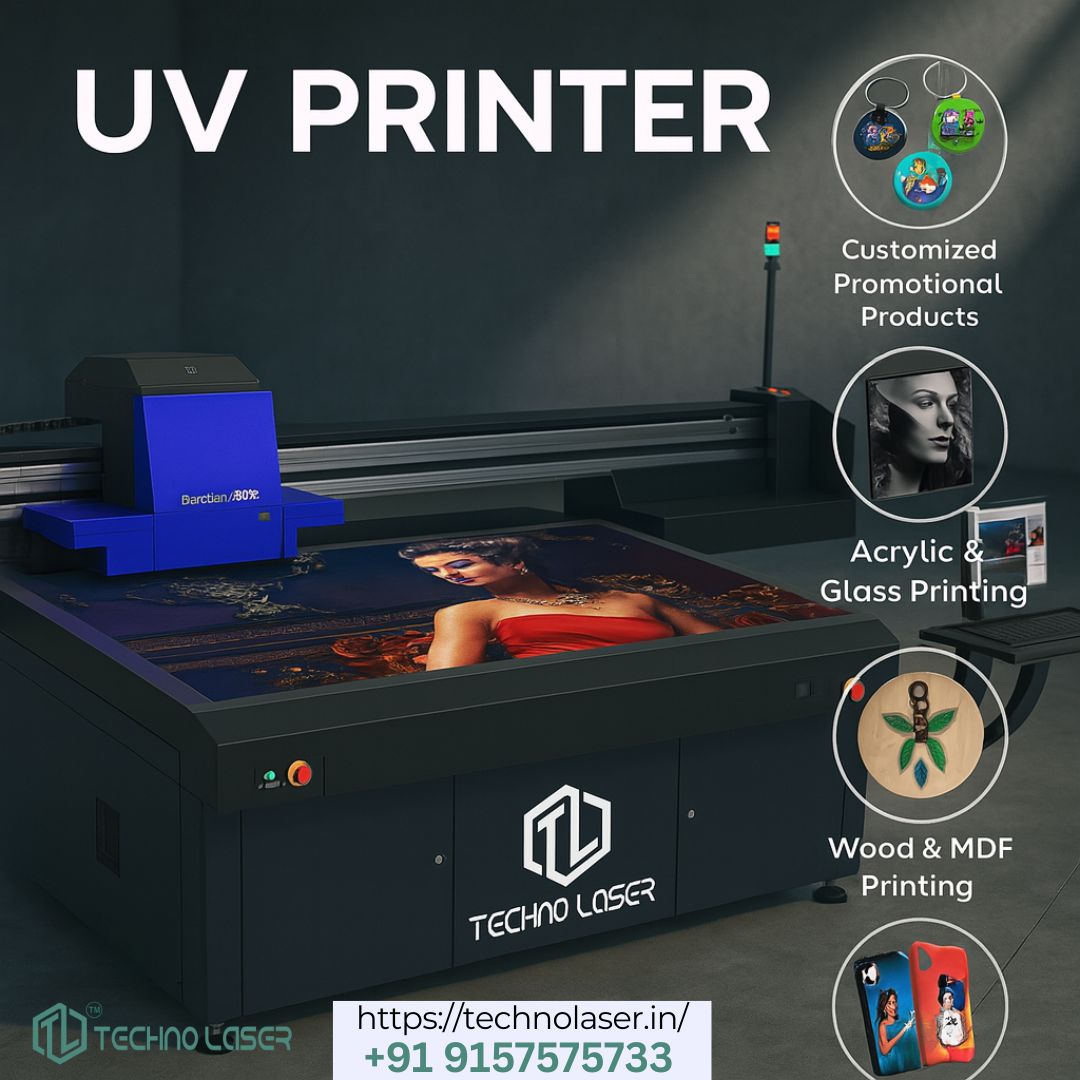
UV Laser Marking Machine for Glass
Introduction – UV Laser Marking Machine for Glass
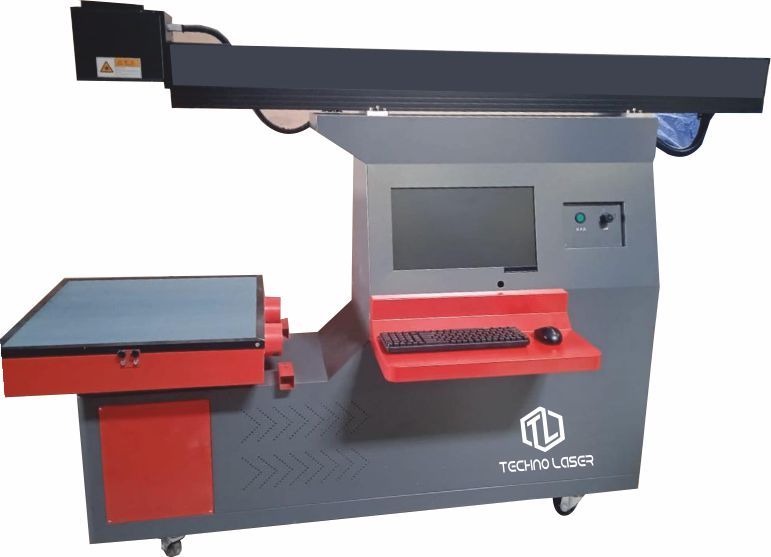
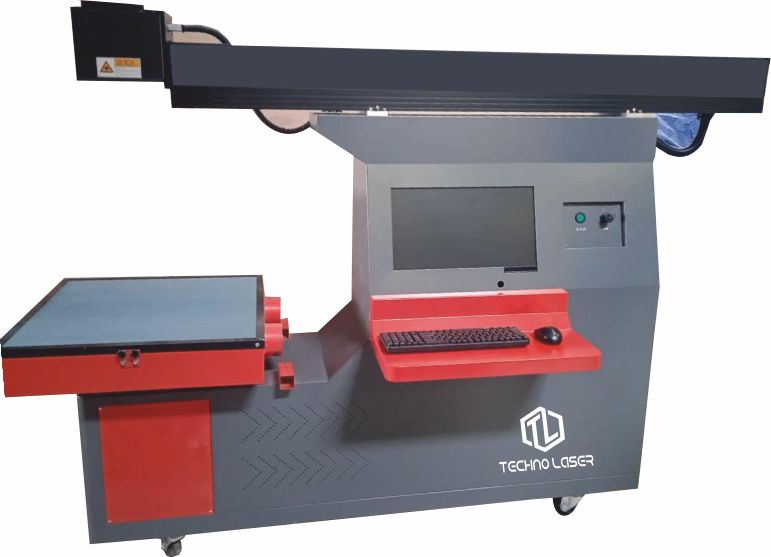
Techno Laser is a specialist in UV laser marking machines for glass, based in Ahmedabad, Gujarat. We deliver ultra-precise, permanent branding and coding on glass substrates like vials, lenses, slides, and bottles, ensuring excellent contrast, clarity, and durability for laboratory ware, optics, medical glassware, and glass packaging across India.
Working Principle & Process Flow
Our system generates a 355 nm UV beam which is guided by a high-speed galvo head to scan over glass surfaces. The short wavelength drives photochemical reactions instead of thermal ablation, allowing crisp marks without cracking or damage. You design logos, text, QR/Datamatrix codes, or variable data in software and the controller translates them into beam paths with repeatable accuracy. Integrated I/O enables sync with sensors, encoders, or PLCs for inline glass marking.
Applications & Benefits — UV Laser for Glass
- Optics & lenses: precise micro‐etching on curved or flat glass
- Medical & pharma glassware: vials, ampoules, syringes, slides
- Labware: beakers, pipettes, cuvettes, microscope slides
- Glass packaging: bottles, jars, cosmetic or perfume glass containers
- Glass components in electronics: microscope covers, glass windows, displays
- Specialty glass: quartz, borosilicate, coated glass, fused silica
- High contrast, deep‐looking marks on transparent glass with no coating removal
- Minimal heat input avoids cracking, microfractures or stress on glass
- Permanent, consumable-free processing with low maintenance cost
- Supports high-quality 1D/2D codes and traceability on glass surfaces
- Compact footprint suitable for inline integration into glass processing lines
Key Features
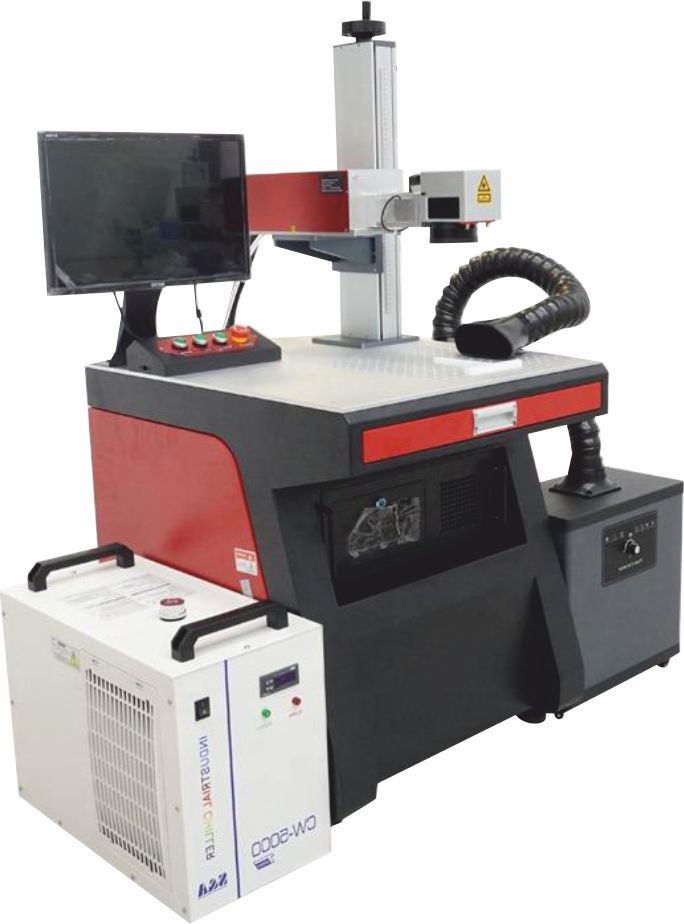
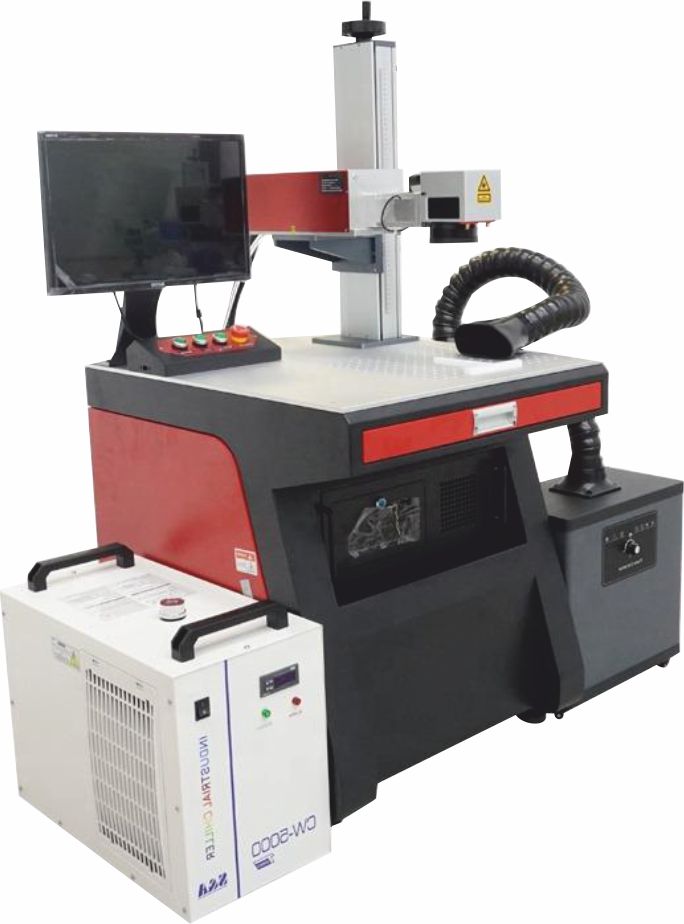
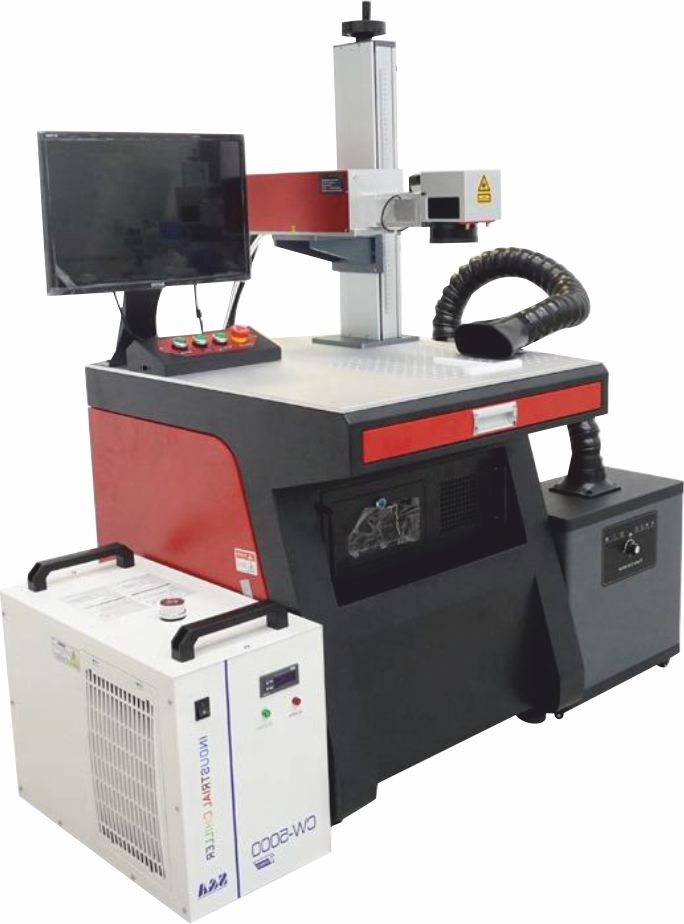
- 355 nm UV laser source optimized for glass processing
- High-precision galvo scan head for sharp marking on smooth/curved glass
- Intuitive software handling logos, serials, QR codes, variable data for glass parts
- Fine spot capability for micro-text (< 0.5 mm) on glass substrates
- Air-cooled or chiller options for stable performance during extended use
- Inline-ready with encoder/sensor inputs and PLC interface for glass lines
- Optional class-1 enclosure, safety interlocks, and fume extraction for glass marking
Why Choose Us
Because we are focused on **glass marking**, we offer sample trials on your actual glass parts, custom optics (e.g. flat, curved, or aspheric lenses), and turnkey integration for conveyor, rotary, or indexing glass systems. Our team provides training, preventive care, and fast support so that your glass marking operations stay reliable and audit-compliant.
Maintenance & Safety Tips
Monthly / Quarterly
- Clean protective lenses and confirm beam focusing alignment on glass surface.
- Inspect fume extraction system and keep marking area free of glass dust.
- Backup your mark parameter recipes and verify code legibility and grade periodically on glass samples.
Safety & Operation
- Always wear protective eyewear rated for 355 nm and ensure safety interlocks are active.
- Optimize power, speed, and frequency carefully to avoid micro‐cracks or glass stress.
- Continuously monitor code contrast, grade, and log quality checks for audits.
FAQs — UV Laser Marking Machine for Glass
Q1 What types of glass can be marked?
Q2 How does UV marking differ from other lasers on glass?
Q3 Can variable data be marked on glass in real time?
Q4 What field sizes are available for glass marking?
Q5 What maintenance is needed?
Get in Touch
Technolaser • Glass Marking Experts
Relevant Tags
- UV laser marking machine for glass
- glass marking systems India
- micromarking on glass
- UV glass engraving systems
- UV QR/Datamatrix on glass bottles
- UV laser for glass labware
- optical glass marking
- coated glass marking
- inline UV marking on glass
- 355 nm UV glass coder
- high-contrast glass marking
- India glass laser supplier
Related Keywords

Quick Enquiry

Our Products
Popular Links
Get In Touch
28,B-Gaikwad Industrial Estate, Near Polaris Industrial Estate, Bakrol-Indore Highway, Kuha Ahmedabad - 382433, Gujarat, India.
technolaser11@gmail.com
+91 8200009229
+91 9157575733
© Techno Laser. All Rights Reserved.
Designed by industrieslead.com