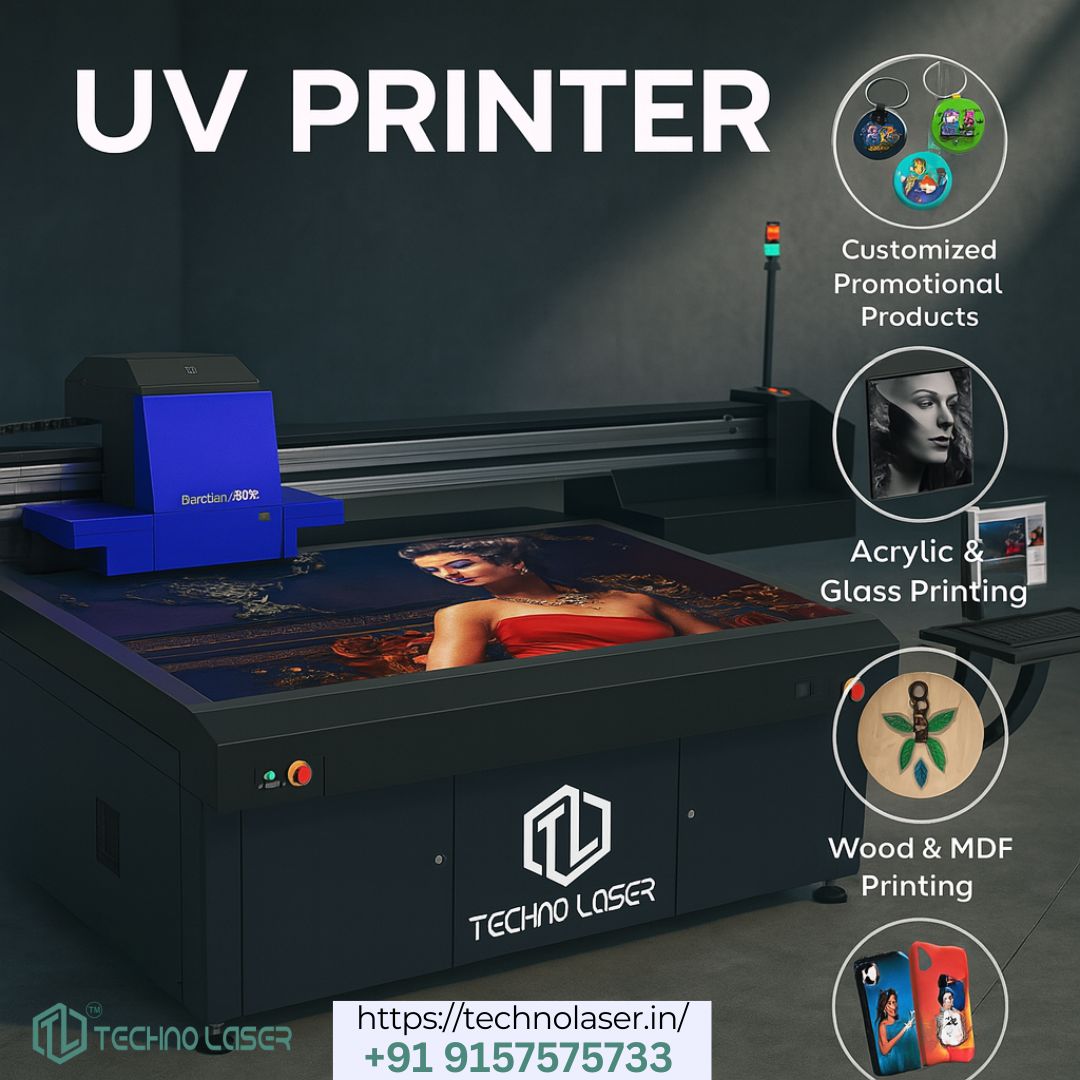
UV Laser Marking Machine in India
Introduction – UV Laser Marking Machine in India
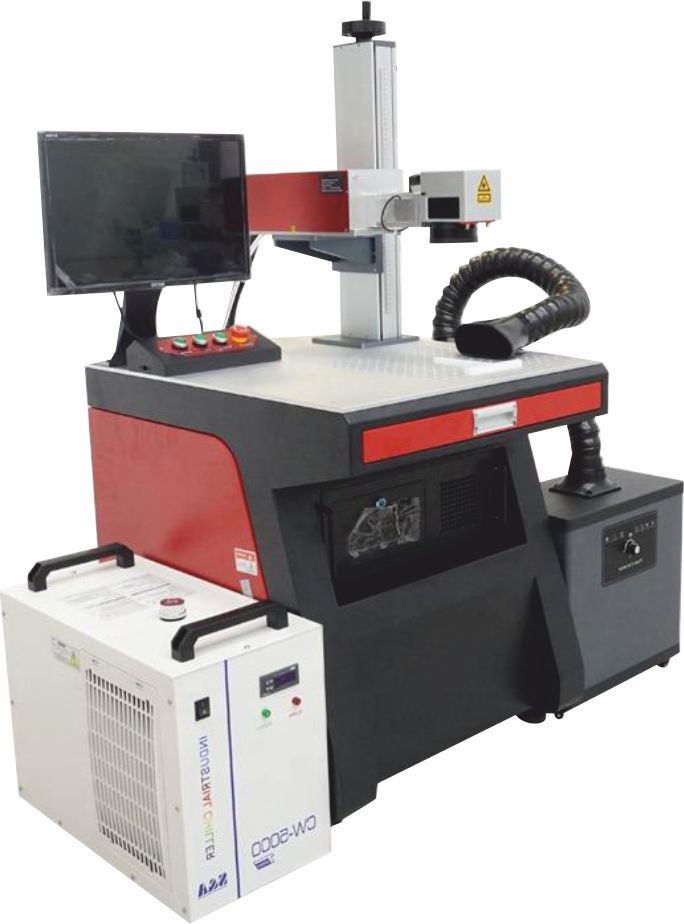
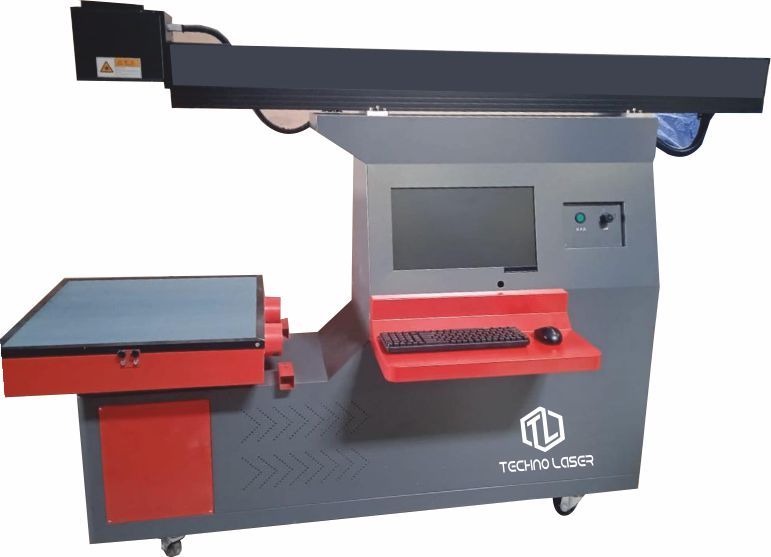
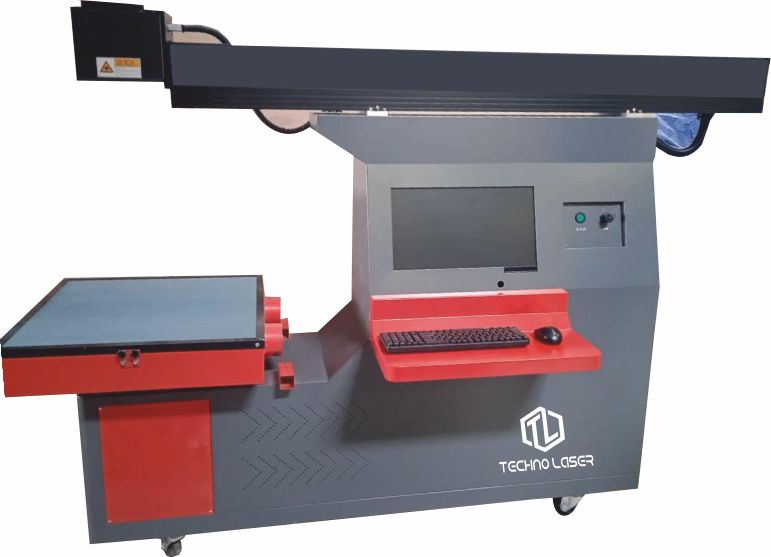
Techno Laser delivers high-precision UV laser marking machines engineered for permanent, high-contrast coding on sensitive materials. Operating at a 355 nm wavelength, UV systems create micro-fine marks with minimal heat-affected zones, making them ideal for plastics, glass, silicon, medical polymers, and electronic components. Built in Ahmedabad, Gujarat, our machines combine stable optics, industrial galvo scanners, and easy-to-use control software to help Indian manufacturers meet traceability, branding, and compliance needs across sectors.
Working Principle & Process Flow
UV laser marking uses a short-wavelength beam (typically 355 nm) focused through a galvo scan head to photo-chemically alter the surface of the substrate. The CAD design or variable data is sent from the software to the controller; mirrors steer the beam rapidly to draw characters, logos, 2D codes, or micro-text. Because the UV photon energy is higher, materials mark at lower thermal load, enabling crisp, high-contrast results on heat-sensitive plastics, glass, and coated parts with excellent edge quality and readability.
Applications & Benefits — UV Laser
- Electronics: IC packages, connectors, PCBs, wire jackets, sensors
- Medical & pharma: syringes, tubing, catheters, blister packs, instruments
- Automotive: switches, buttons, nylon/ABS parts, under-hood plastics
- FMCG & cosmetics: HDPE/PP bottles, caps, date & batch codes
- Glass & ceramic: vials, lenses, labware with micro-engraving
- Jewellery & watches: fine marks on coatings, dials, acrylics
- High-contrast marking on light/sensitive plastics with near-zero burr
- Permanent, consumable-free process with low operating cost
- Minimal heat-affected zone preserves part strength and finish
- Excellent 1D/2D code readability for traceability and compliance
- Compact system footprint for easy line integration
Key Features
- 355 nm UV laser source with stable power for crisp micro-marking
- High-speed digital galvo scan head for rapid text, logo, and code marking
- User-friendly software supporting serial, date codes, UID, and QR/Datamatrix
- Fine spot size enabling micro-text (<0.5 mm) and delicate substrates
- Air-cooled or chiller options; low heat input and reliable 24/7 duty
- Rotary axis and conveyor I/O options for online production
- Safety enclosure, interlocks, fume extraction integration ready
Where to Buy in India
For reliable UV laser marking solutions, Techno Laser in Ahmedabad offers Indian-built systems tailored for electronics, medical devices, automotive plastics, and packaging lines. With application testing, operator training, and responsive service support, we help you qualify marks quickly and keep uptime high. Connect with our team to evaluate samples, choose optics and power levels, and integrate with conveyors or indexing tables as per your line speed and QA requirements.
Maintenance & Safety Tips
Monthly / Quarterly
- Clean protective lens and field lens; verify beam alignment and spot quality.
- Inspect fume extraction filters; keep work area dust-free for consistent marks.
- Back up parameter recipes; validate code readability (DPM grading) periodically.
Safety & Operation
- Use proper eyewear rated for 355 nm; keep interlocks and enclosure engaged.
- Match power/speed/frequency to the substrate to avoid foaming or over-burn.
- Verify code contrast and scan grades inline; log results for QA audits.
FAQs — UV Laser Marking Machine
Q1 Which materials are best suited for UV laser marking?
Q2 How is UV different from fiber or CO₂ laser marking?
Q3 Can it mark dynamic data like QR and Datamatrix codes online?
Q4 What marking field sizes are available?
Q5 What about upkeep and consumables?
Get in Touch
Technolaser • We’re here to help
Relevant Tags
- UV laser marking machine in India
- UV laser marking machine near Gujarat
- UV laser marking machine in Ahmedabad
- UV plastic marking machine
- UV QR/Datamatrix code marker
- UV laser for medical devices
- UV laser for electronics
- UV glass micro-engraving
- UV laser system manufacturer India
- Inline UV laser coder
- 355 nm UV laser marker
- High-contrast plastic marking
Related Keywords

Quick Enquiry

Our Products
Popular Links
Get In Touch
28,B-Gaikwad Industrial Estate, Near Polaris Industrial Estate, Bakrol-Indore Highway, Kuha Ahmedabad - 382433, Gujarat, India.
technolaser11@gmail.com
+91 8200009229
+91 9157575733
© Techno Laser. All Rights Reserved.
Designed by industrieslead.com