Overview
CO2 laser marking machines are widely used for engraving and marking on non-metallic materials such as acrylic, wood, leather, paper, rubber, glass, ceramics, and several engineered plastics. Their contactless marking process delivers permanent, clean, high-resolution results while minimizing tool wear and reducing maintenance associated with conventional marking methods.
With expanding applications across packaging, electronics, signage, automotive components, medical devices, handicrafts, and industrial fabrication, demand for advanced CO2 laser systems has grown significantly across India.
Understanding CO2 Laser Marking Technology
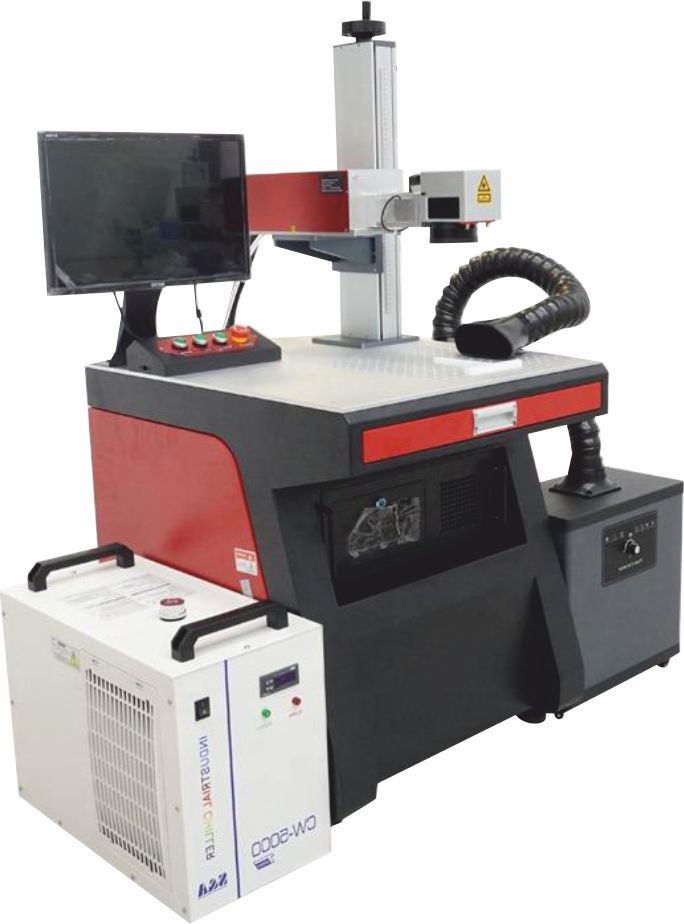
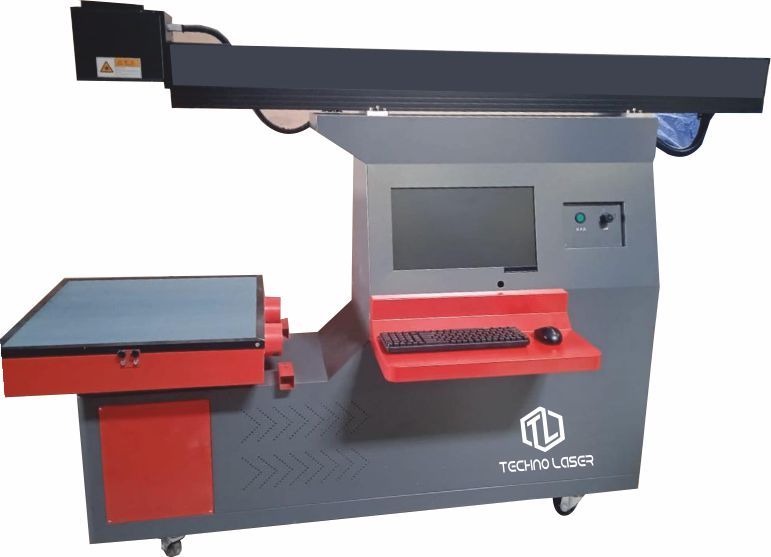
A CO2 laser marking machine uses a carbon dioxide gas laser source to generate a laser beam that interacts with the material surface to create permanent marks, patterns, serial numbers, logos, barcodes, and decorative engravings.
Unlike mechanical engraving methods, laser marking is non-contact, highly controlled, and capable of producing intricate designs with excellent consistency. This makes CO2 laser technology suitable for industries that require both production efficiency and fine detailing.
The technology is particularly effective for non-metal processing because CO2 wavelengths are highly absorbable by organic and polymer-based materials. This enables precise marking with minimal material damage.
Why CO2 Laser Marking Machines Are Used in Industry
Industries increasingly prefer CO2 laser marking systems because they support automation, reduce dependence on consumables, and improve production traceability.
These systems are commonly selected for applications requiring:
- Permanent product identification
- High-speed batch coding
- Precision logo and branding marks
- Fine decorative engraving
- Serial number and barcode marking
- Complex pattern etching on delicate materials
Because the process is software-controlled, repeatability remains consistent even in continuous production environments.
Applications of CO2 Laser Marking Machines
CO2 laser marking machines are used across a broad range of industrial and commercial sectors. Common application areas include:
- Acrylic engraving and acrylic cutting
- MDF engraving and decorative panel marking
- Paper cutting and packaging coding
- Leather engraving applications
- Wood and bamboo engraving
- Label and signage production
- Rubber stamp engraving
- Plastic component identification
- Textile and garment marking
- Craft and promotional product engraving
This application flexibility makes CO2 systems suitable for both industrial production units and specialized fabrication businesses.
Key Technical Factors Buyers Evaluate
When selecting a CO2 Laser Marking Machine Manufacturer in India, buyers typically assess technical configuration rather than focusing only on machine availability. Important parameters often considered include laser wattage, marking field, cooling design, source brand options, software compatibility, and application suitability.
Typical evaluation points include:
- Laser power options such as 30W, 60W, 100W and higher
- Metal tube or glass tube laser source selection
- Marking area suitability based on product size
- Water-cooled system stability
- Motion control accuracy
- Software support for vector and industrial files
- Continuous production performance
These factors directly influence marking quality, production output, and long-term machine efficiency.
Industries Driving Demand in India
India's manufacturing growth has increased adoption of advanced laser processing technologies. Demand for CO2 laser marking systems continues to rise across both large industrial sectors and growing MSME units.
Strong demand is seen from industries such as packaging, woodworking, gift manufacturing, electronics, printing, signage, automotive ancillaries, and industrial fabrication.
The growing focus on traceability, customization, and precision manufacturing has further contributed to broader adoption of laser-based marking solutions. As businesses move toward automated and digital manufacturing workflows, CO2 laser systems have become part of process modernization strategies.
Advantages of CO2 Laser Marking Over Conventional Methods
Traditional marking methods often involve consumables, tooling wear, or mechanical limitations. CO2 laser technology addresses many of these challenges. Major operational advantages include:
- Contact-free processing
- High marking precision
- Clean permanent results
- Reduced maintenance requirements
- Fast production speeds
- Minimal material wastage
- Flexible design capability
- Easy integration with digital workflows
These advantages make laser systems attractive for industries focused on productivity and repeatable output quality.
Material Compatibility in CO2 Laser Marking
One major reason businesses choose CO2 systems is their broad material compatibility. Acrylic components respond well to engraving and edge detailing. Wood-based materials such as MDF and plywood are widely processed for decorative and industrial applications. Leather products can be engraved for branding and customized production.
Paperboard and packaging materials can be coded efficiently, while plastics compatible with CO2 wavelength absorption can be marked for identification and traceability.
Because material interaction differs by substrate, application testing is often an important part of machine selection.
How Manufacturers Support Industrial Requirements
An established CO2 Laser Marking Machine Manufacturer in India generally supports buyers not only with machine supply but also with application guidance, system configuration, and process suitability. Industrial buyers often look for manufacturers that can support:
- Application-specific machine recommendations
- Marking sample testing
- Customized working area requirements
- Integration support
- Operator training
- Maintenance guidance
- Technical support availability
This support becomes especially important when machines are used in continuous industrial production.
Buyer Considerations Before Selecting a Machine
Choosing a laser system involves evaluating process requirements, not simply machine power. Before finalizing a system, buyers often review:
- Material type to be processed
- Required marking depth or surface effect
- Production volume requirements
- Working area dimensions
- Software compatibility needs
- Cooling and power requirements
- Future scalability requirements
Matching these factors correctly helps improve long-term operational efficiency while avoiding under-specification or over-investment.
Growing Role of CO2 Laser Marking in Industrial Automation
Laser technology increasingly supports automated manufacturing lines. CO2 marking systems are now integrated into production processes where repeatability and digital control are essential.
In coding, packaging, component identification, and decorative manufacturing, automated laser marking improves process control while reducing manual intervention.
As Industry 4.0 adoption expands, demand for programmable, precision-based laser systems is expected to grow further. This trend has strengthened the relevance of advanced CO2 laser solutions across Indian industries.
Maintenance and Performance Considerations
Reliable machine performance depends not only on equipment quality but also on proper maintenance practices. Users typically focus on lens cleanliness, cooling system performance, beam alignment, motion calibration, and periodic servicing. Routine maintenance supports:
- Stable marking quality
- Longer machine life
- Reduced downtime
- Better beam consistency
- Improved process reliability
These factors are particularly important for high-utilization industrial operations.
Conclusion
A CO2 Laser Marking Machine Manufacturer in India supports industries requiring precision marking, engraving, coding, and non-metal processing solutions. From acrylic and wood applications to packaging, leather, and industrial identification, these machines serve diverse sectors where accuracy, consistency, and efficiency are essential.
With growing industrial automation and expanding manufacturing demand, CO2 laser marking technology continues to play an important role in modern production environments. Careful evaluation of technical specifications, application requirements, and manufacturer support remains important when selecting the right system.