Precision Marking for Modern Manufacturing
Industries such as electronics, medical devices, automotive components, packaging, plastics, and precision engineering increasingly require marking solutions capable of producing permanent, high-resolution marks without affecting delicate surfaces.
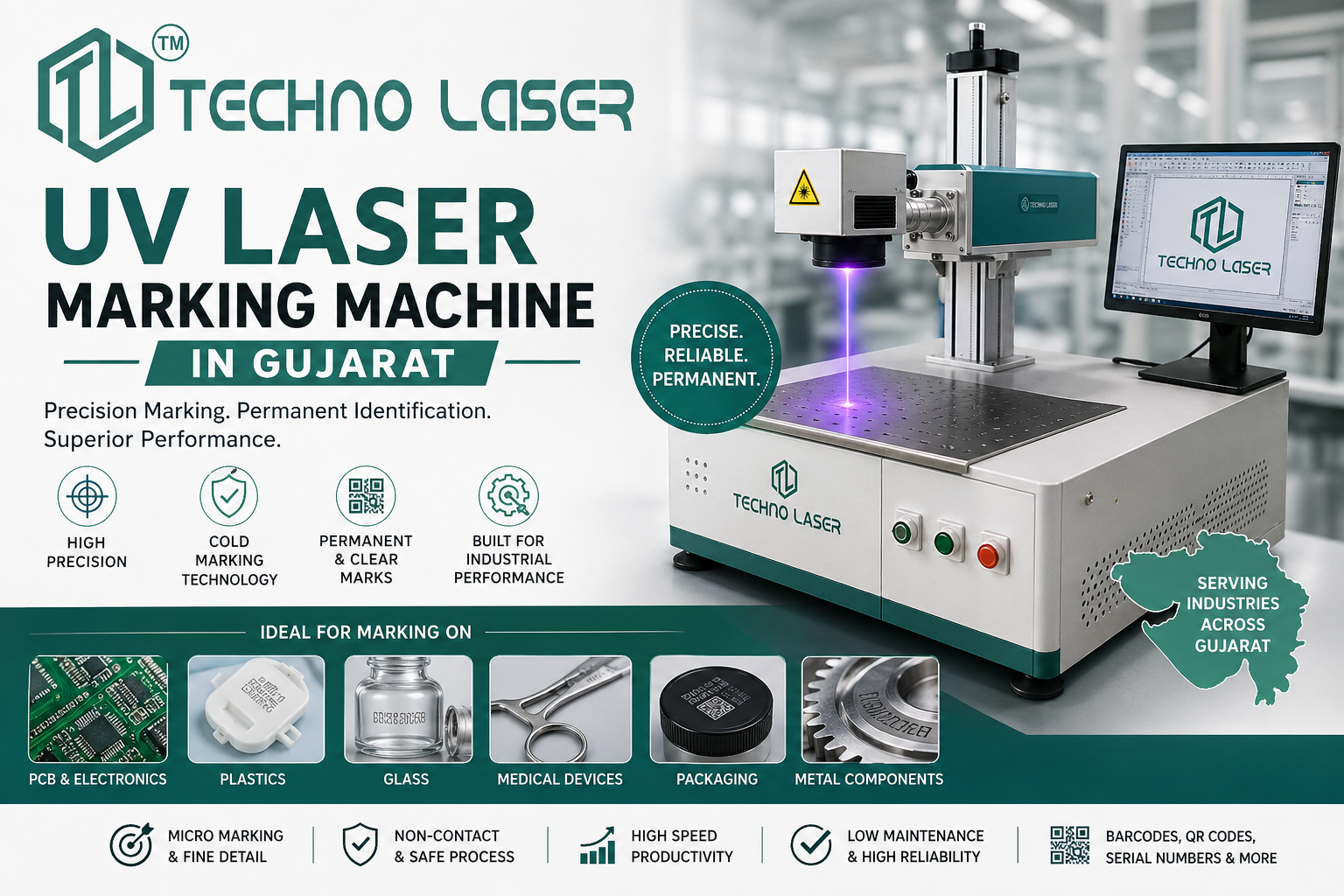
UV laser marking technology is widely preferred for applications where conventional laser systems may create excessive thermal impact. Operating at a shorter wavelength, these systems support fine marking on sensitive materials including plastics, glass, ceramics, PCB boards, coated surfaces, and specialized industrial components. Their non-contact marking process also supports consistency, repeatability, and clean output across demanding production environments.
With Gujarat continuing to expand as a major industrial and manufacturing hub, adoption of advanced marking technologies has increased across both production and quality-control operations.
Understanding UV Laser Marking Technology
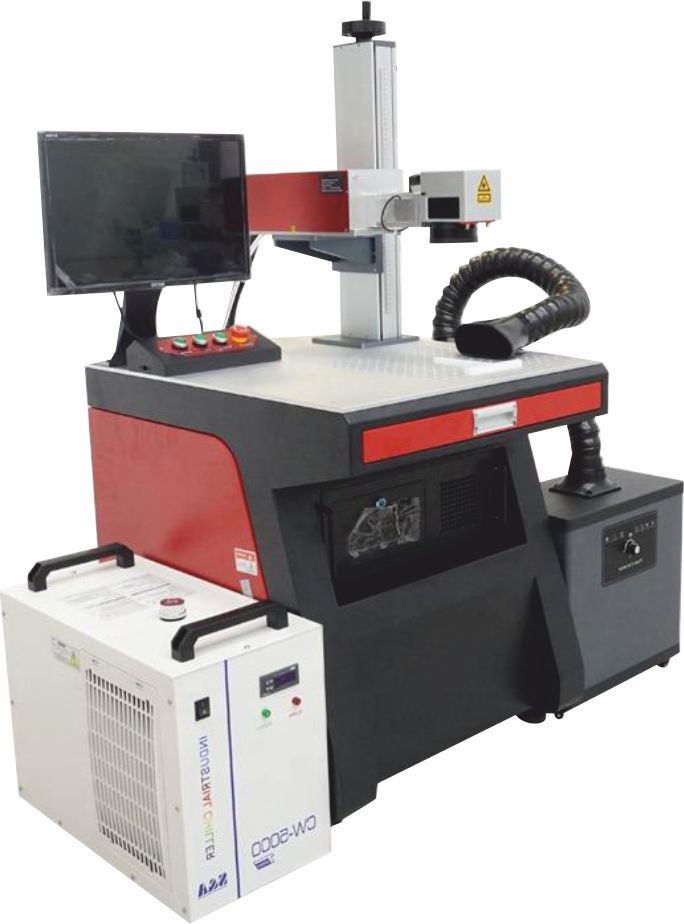
A UV laser marking machine uses ultraviolet wavelength laser energy, commonly around 355 nm, to create precise marks through a cold marking process. Unlike traditional marking methods that may rely on higher thermal impact, UV lasers reduce heat-affected zones, making them suitable for fragile or heat-sensitive materials.
This process is especially valuable when fine characters, barcodes, QR codes, logos, serial numbers, and micro-identification marks are required. Because the beam spot is extremely fine, it enables high-definition results even on miniature components.
In modern manufacturing, UV laser systems are often used where product traceability, coding permanence, and aesthetic marking quality are equally important.
Why UV Laser Marking Machines Are Used Across Industries
Manufacturers often select UV laser systems where conventional fiber or CO2 solutions may not be ideal due to material sensitivity or micro-level detail requirements.
Their industrial relevance is driven by precision, reduced material stress, and broad substrate compatibility. Applications commonly include:
- PCB and electronic component marking
- Plastic product serialization
- Glass surface coding and engraving
- Medical device identification
- Cosmetic and pharmaceutical packaging marking
- Cable, connector, and micro-part coding
Because the process is non-contact, there is minimal mechanical wear and reduced maintenance compared with physical marking methods.
Growing Demand for UV Laser Marking Machine in Gujarat
Gujarat has a strong industrial presence in electronics, pharmaceuticals, engineering manufacturing, plastics processing, and export-oriented production. These sectors increasingly depend on permanent and accurate identification systems for quality assurance and compliance.
The rise of automated production lines has also increased demand for marking systems capable of integration with modern manufacturing workflows. UV laser marking machines support this need by offering speed, consistency, and marking quality suitable for industrial-scale operations.
Demand is particularly strong in sectors requiring precision marking on sensitive materials where traditional engraving or printing methods may be less effective.
Technical Features That Support Precision Marking
Modern UV laser marking systems are engineered with features that support industrial performance as well as stable output quality. Common system features may include:
Materials Suitable for UV Laser Marking
One of the major strengths of UV marking systems is material versatility. Unlike some conventional marking technologies that support limited substrates, UV systems offer wider material compatibility.
Materials commonly marked include plastic polymers such as ABS, acrylic, PVC, and polycarbonate. They are also used for glass, coated metals, silicon wafers, ceramics, packaging films, and printed circuit boards.
This versatility makes them suitable not only for general industrial applications but also for specialized high-precision sectors.
Applications of UV Laser Marking in Manufacturing
Application diversity is one reason these systems are increasingly adopted across industries.
In electronics manufacturing, UV lasers are used for PCB coding, connector identification, and semiconductor component marking.
In medical sectors, they support permanent marking on surgical instruments, diagnostic components, and packaging requiring traceability.
In packaging applications, they are used for batch coding, serial marking, and anti-counterfeit identifiers.
Industrial engineering applications may include marking molded parts, precision components, and miniature assemblies where conventional methods may be impractical.
Advantages of Cold Marking Technology
UV laser marking is often associated with cold processing, which offers functional advantages in delicate material applications. Important benefits include:
- Reduced heat impact on material surfaces
- Lower risk of burns, deformation, or discoloration
- High-resolution marking output
- Suitable for ultra-fine detail work
- Permanent and wear-resistant marks
- Strong contrast on difficult surfaces
Important Factors When Selecting a UV Laser Marking Machine
Choosing the right system depends heavily on production requirements, substrate type, and marking objectives.
Buyers often evaluate wattage requirements, marking field size, cooling method, software compatibility, beam stability, and production speed before selecting equipment.
For micro-marking or delicate applications, precision and spot quality may be more critical than raw power. For industrial environments, users often also assess:
- Material compatibility needs
- Batch production volume
- Required marking depth or contrast
- Automation integration requirements
- Maintenance access and service support
- Traceability or coding compliance needs
Selecting a system based on actual process requirements generally improves long-term operational performance.
Role of UV Laser Marking in Traceability and Quality Control
Product traceability has become a major requirement across modern industries. From regulatory compliance to inventory control and anti-counterfeit protection, permanent marking plays an important role.
UV laser systems support this need by enabling consistent coding for serial numbers, QR codes, data matrices, and product identification.
Because marks are permanent and resistant to wear, they can remain readable throughout product lifecycle requirements.
This has made UV laser marking increasingly important not only for production but also for inspection and quality assurance systems.
Integration with Automated Production Systems
Modern manufacturing increasingly favors automated workflows, and UV laser marking systems are often integrated into these environments.
They may be incorporated into conveyor lines, robotic handling systems, inspection stations, and coding processes. Integration supports:
- Faster production throughput
- Reduced manual intervention
- Consistent marking placement
- Better process repeatability
- Improved coding accuracy
This compatibility contributes to their growing use in advanced manufacturing operations.
Why Gujarat Industries Are Adopting Precision UV Marking
Industrial sectors in Gujarat continue moving toward higher precision manufacturing, digital traceability, and automation. This has naturally increased adoption of technologies such as UV laser marking.
The need to mark delicate substrates, improve coding reliability, and support export-grade production standards has made these systems relevant across multiple sectors.
As industries focus more on precision, product identification, and process efficiency, demand for UV laser marking technology is expected to continue growing.
UV Laser Marking Machine in Gujarat
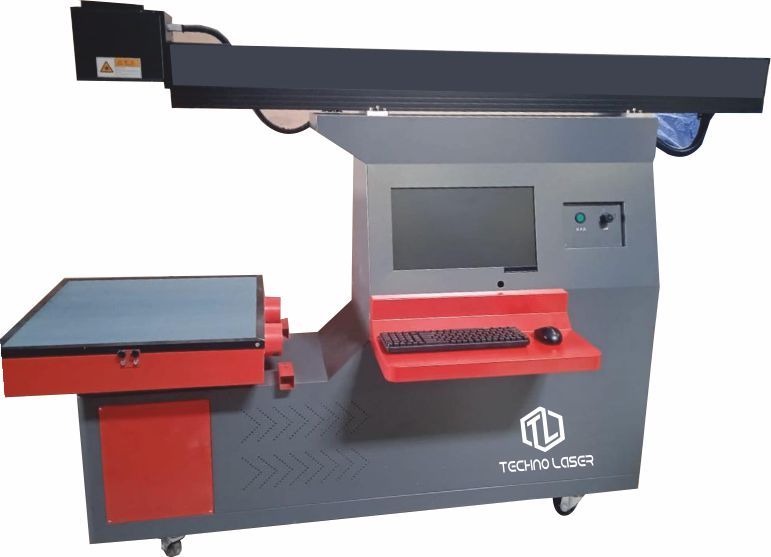
A UV Laser Marking Machine in Gujarat serves critical roles in precision marking, traceability, coding, and industrial identification across modern manufacturing environments. Its cold marking technology, compatibility with delicate materials, and ability to produce high-resolution permanent marks make it suitable for industries where accuracy and material safety are essential.
From electronics and plastics to medical devices and industrial engineering, these systems support applications where conventional marking methods may be less suitable. As industrial requirements continue evolving, UV laser marking remains an important technology for precision-focused production processes.
Frequently Asked Questions
Common questions about UV Laser Marking Machine in Gujarat
Get In Touch
Techno Laser · Ahmedabad, Gujarat