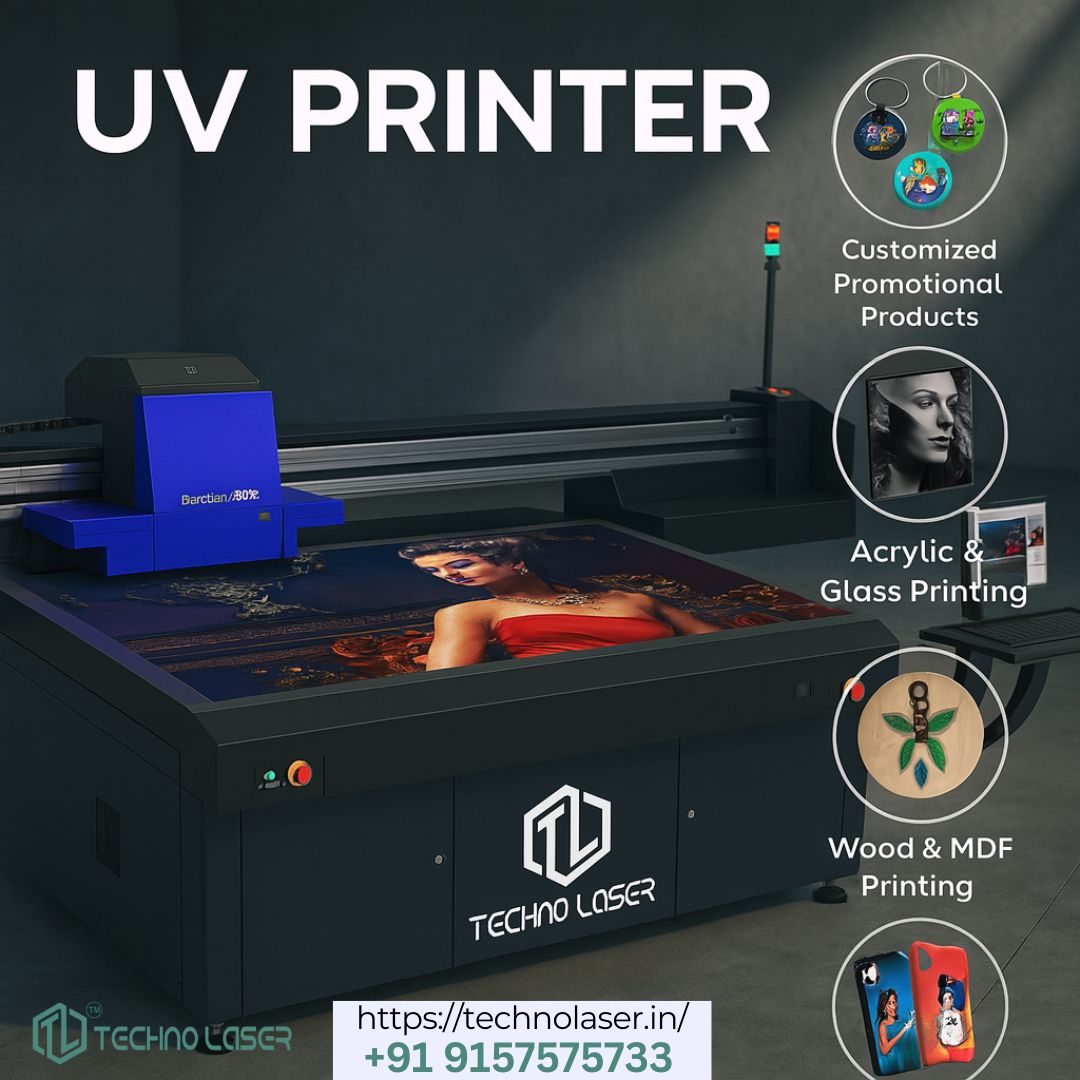
UV Laser Marking Machine in India
UV Laser Marking Machine in India
Introduction
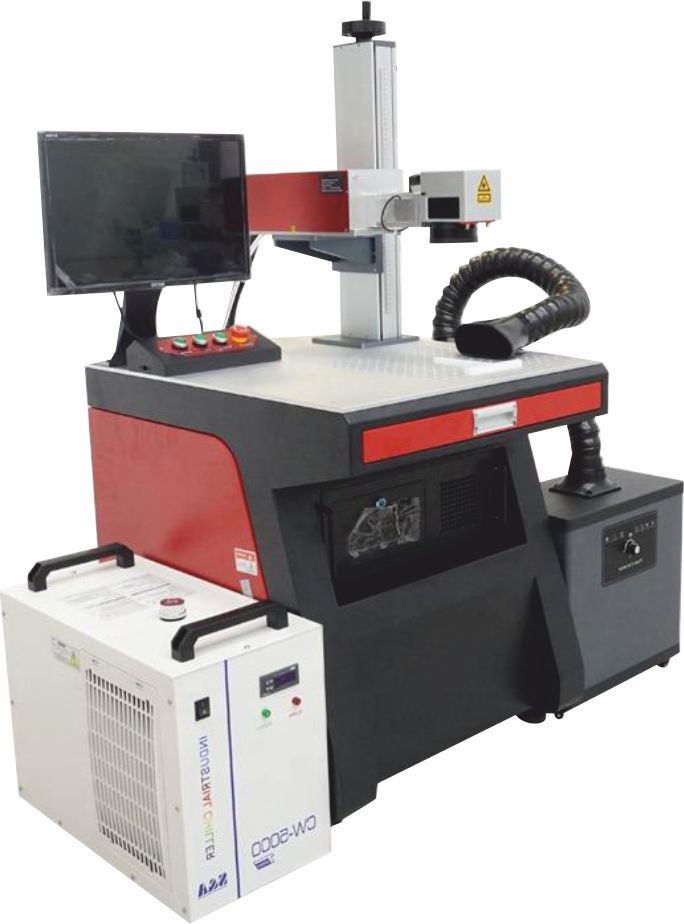
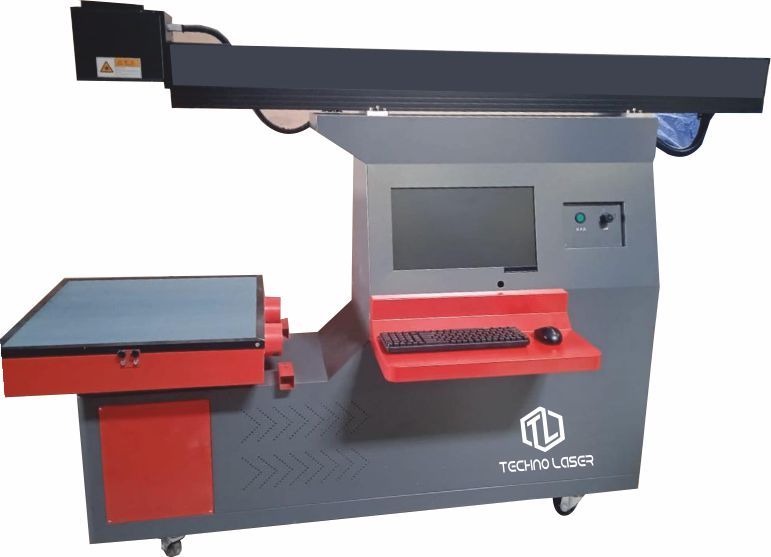
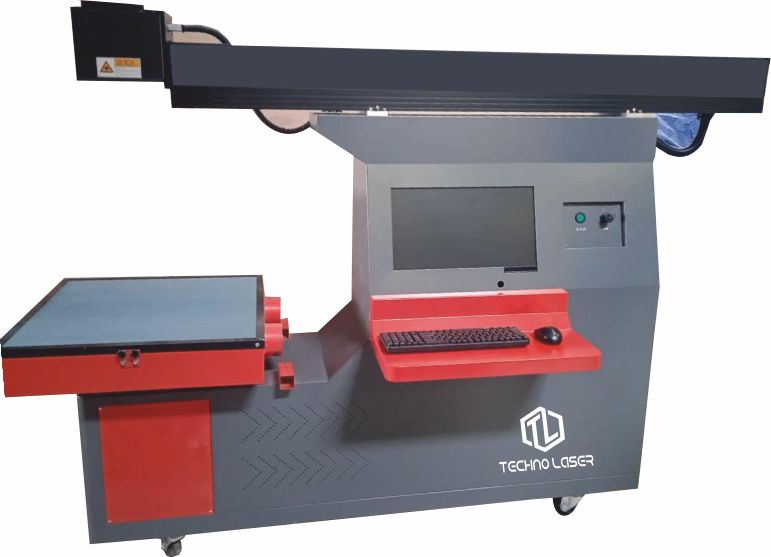
UV Laser Marking Machines (355 nm) deliver ultra-fine, high-contrast marks with an extremely small heat-affected zone (“cold processing”). They are ideal for sensitive substrates like ABS/PP plastics, glass, silicon, rubber, medical polymers, and coated metals—where CO2 or fiber lasers can burn, melt, or create burrs. In India, UV markers are widely used for UID/2D codes, traceability, date/lot coding, micro text, and anti-counterfeit features in electronics, pharma, FMCG, automotive, and healthcare. With stable power, galvanometer scanning heads, and user-friendly software, they ensure crisp logos and codes with minimal surface damage and excellent readability on transparent or heat-sensitive materials.
Working Principle & Process Flow
A solid-state UV laser (typically DPSS) generates a 355 nm beam through frequency tripling. The beam passes through mirrors into a high-speed galvo scanner and is focused by an F-Theta lens onto the work surface. Short-wavelength photons cause photochemical reactions rather than thermal ablation, producing high-contrast marks without charring. The operator prepares artwork or variable data in the marking software, selects lens/field size, sets power/speed/frequency, and executes marking via CNC/PLC controls. Exhaust or fume extraction removes particulates; optional vision systems verify code quality, while IO/encoders enable synchronized on-line coding on conveyors or rotary indexers.
Applications & Benefits — UV Laser Marking
- Electronics: PCBs, IC packages, connectors, QR/DM codes with high legibility and low HAZ.
- Medical & Pharma: Syringes, vials, IV-bags, catheters—non-contact, low-migration marking.
- Plastics & Packaging: ABS, PP/PE, PET, HDPE caps, flexible films, cosmetics containers.
- Automotive: Marking on nylon/PA, rubber hoses, switches, and sensor housings.
- Glass & Ceramics: Fine logos, serials, and micro text without cracking or micro-fractures.
- “Cold” photochemical marking—no burning, minimal deformation, superior edge quality.
- High contrast on transparent/white plastics and coated/painted surfaces.
- Excellent code quality for 1D/2D verification (DPM) and long-term traceability.
- Low consumables, low maintenance, and rapid switching between jobs/parts.
Key Features
- Wavelength 355 nm with 3–15 W power options; ultra-small spot for micro text & fine graphics.
- High-speed galvo scanner with F-Theta lenses (field sizes e.g., 70×70 to 300×300 mm).
- Stable DPSS source, long lifetime, and consistent output for 24×7 industrial duty.
- Variable data (date/lot/UID/GS1), serials, and automation IO for on-line coding.
- Compatible with plastics, glass, ceramics, coated metals; optional vision inspection.
Where to Buy in India
For UV Laser Marking Machines in India, Techno Laser supplies robust 355 nm solutions engineered for precision coding on plastics, glass, and sensitive substrates. Based in Ahmedabad, the team offers guidance on lens selection, power, conveyor integration, and vision verification—backed by responsive service, operator training, and spare support. Reach out to discuss application trials and suitable configurations for electronics, pharma, or packaging lines.
Maintenance & Safety Tips
Monthly / Quarterly
- Clean F-Theta lens and protective window; verify galvo calibration and focal height.
- Check beam path covers, exhaust filters, and fume extraction flow.
- Back up marking layouts, fonts, and serial rules; update firmware/software when recommended.
Operating Best Practices
- Use appropriate safety enclosures; follow laser class labeling and interlock requirements.
- Select lens/field size and energy density to avoid substrate yellowing or micro-cracks.
- Implement vision checks for code grade (ISO/ANSI) and maintain stable part fixturing.
FAQs — UV Laser Marking Machine in India
Q1 Which materials are best suited for UV laser marking?
Q2 How is UV different from fiber or CO₂ marking?
Q3 Can UV markers be integrated on production lines?
Q4 What field size should I select?
Q5 What are typical maintenance items?
Get in Touch
Technolaser • We’re here to help
Relevant Tags
- uv laser marking machine in india
- uv laser marking machine near gujarat
- uv laser marking machine near ahmedabad
- uv laser code marking on plastics
- uv laser marking on glass
- uv laser for medical device marking
- inline uv laser marking system
- uv laser 2d code gs1 uid
- uv laser marking for pcb
- uv marking for caps closures
- uv laser marking machine price in india
- uv laser machine service and amc
Related Keywords

Quick Enquiry

Our Products
Popular Links
Get In Touch
28,B-Gaikwad Industrial Estate, Near Polaris Industrial Estate, Bakrol-Indore Highway, Kuha Ahmedabad - 382433, Gujarat, India.
technolaser11@gmail.com
+91 8200009229
+91 9157575733
© Techno Laser. All Rights Reserved.
Designed by industrieslead.com