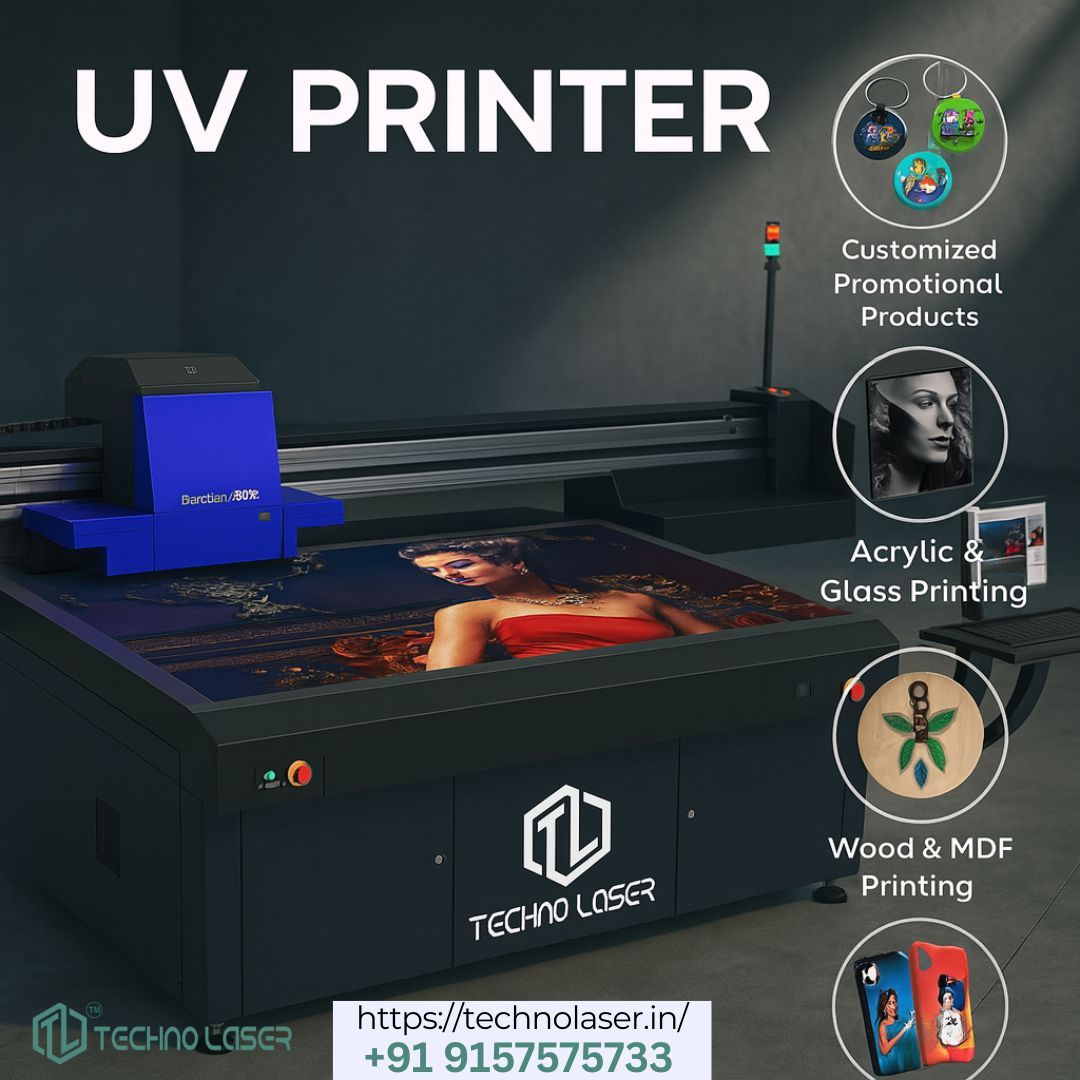
UV Laser Marking Machine Manufacturer
Introduction – UV Laser Marking Machine Manufacturer
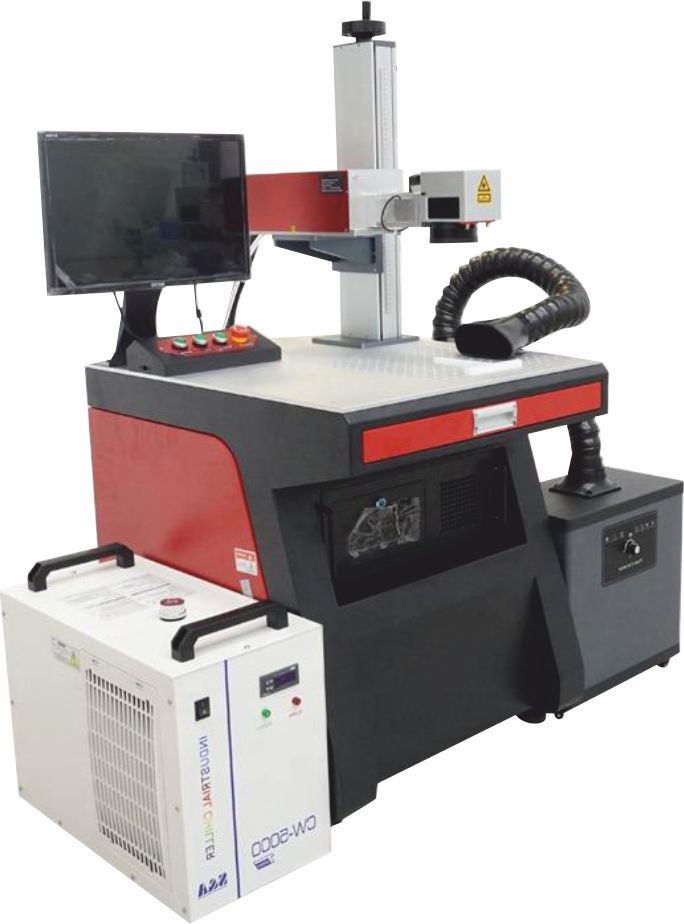
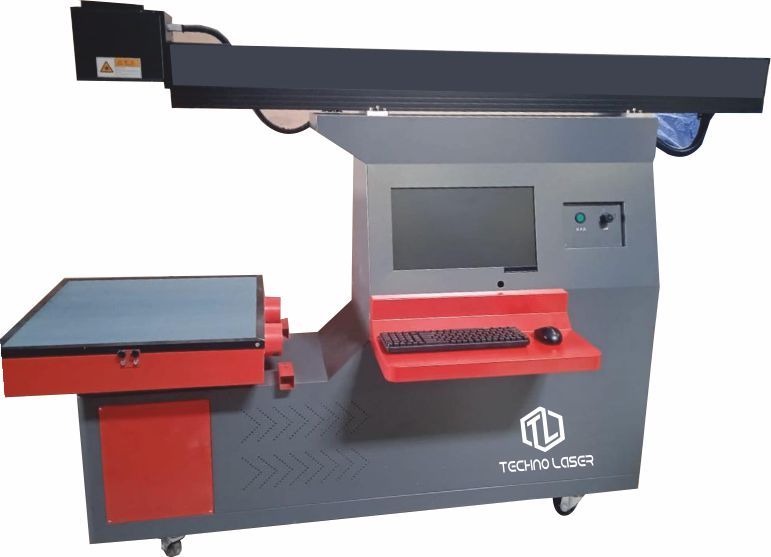
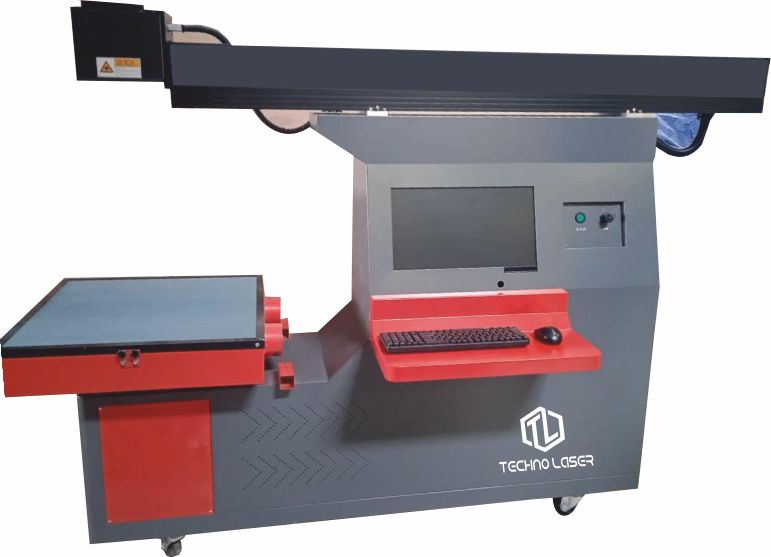
Techno Laser, headquartered in Ahmedabad, Gujarat, manufactures advanced UV Laser Marking Machines engineered for ultra-fine, high-contrast marking on sensitive materials. Using a short 355 nm wavelength and “cold” processing, UV systems deliver crisp micro-text, logos, QR codes, and traceability marks on plastics, glass, silicon, PCBs, metals with coatings, and medical-grade polymers—without burning, melting, or causing heat-affected zones. With robust build quality, user-friendly software, and reliable after-sales support, Techno Laser is a trusted partner for electronics, medical, automotive, and packaging industries across India.
Working Principle & Process Flow
A UV laser (typically 355 nm, generated via third-harmonic Nd:YVO4 or Nd:YAG) focuses a tiny spot onto the surface. The high-energy photons break molecular bonds through photochemical ablation—so material removal or color change occurs with minimal heat input. Artwork prepared in CAD/graphics software is sent to the controller; galvo scanners steer the beam at high speed across the part. On plastics and coated metals, UV creates high-contrast “day-night” marks; on glass and sapphire it micro-fractures the surface for permanent, smooth marks. Integrated vision (optional) aligns parts, while fume extraction and safety enclosures keep operations clean and compliant.
Applications & Benefits — UV Laser Marking
- Electronics: ICs, PCBs, connectors, wire jackets, micro-QR/UID coding
- Medical: syringes, catheters, implantable device housings (biocompatible marks)
- Automotive: switches, buttons, coated dashboards, anti-counterfeit labels
- Packaging: high-contrast batch codes on thin films and laminated foils
- Glass & cosmetics: bottles, vials, sapphire watch components with smooth marks
- “Cold” marking—negligible heat-affected zone; no burning or warping
- Ultra-fine spot for micro-text, 2D codes, and intricate logos
- Excellent contrast on sensitive plastics and coated/painted surfaces
- Non-contact, consumable-free, low maintenance & low operating cost
Key Features
- 355 nm UV source with stable power for consistent high-contrast marking
- High-speed galvo scanner with precise beam delivery and repeatability
- Auto focus options, electric Z-axis, and vision alignment (optional)
- User-friendly software: supports serials, date codes, barcodes/QR, shift codes
- Safety enclosure with interlocks, fume extraction and dust-proof design
Where to Buy in India
For reliable UV Laser Marking Machines, Techno Laser offers turnkey solutions from Ahmedabad, Gujarat. Systems are engineered for precision, uptime, and clean operation, backed by installation, training, and responsive support. For quotations and demos, contact +91 8200009229 or technolaser11@gmail.com. Explore models and options at technolaser.in.
Maintenance & Safety Tips
Monthly / Quarterly
- Clean protective glass and scan head window with lint-free swabs and approved solvents.
- Verify beam focus and marking quality; recalibrate galvo if alignment drifts.
- Inspect fume extraction filters; replace when pressure or odor indicates saturation.
Operating Best Practices
- Use correct lens (e.g., 100/163/254 mm) per field size and detail needed.
- Optimize power, frequency, and speed to avoid foaming or excessive penetration on plastics.
- Follow laser safety class requirements; wear appropriate eyewear for 355 nm.
FAQs — UV Laser Marking Machine
Q1 Which materials are best suited for UV laser marking?
Q2 UV vs. Fiber vs. CO₂ — what’s the difference?
Q3 Can UV mark clear plastics and glass?
Q4 Is UV marking suitable for automation and high throughput?
Q5 Why choose Techno Laser for UV systems?
Get in Touch
Technolaser • We’re here to help
Relevant Tags
- UV laser marking machine manufacturer in India
- UV laser marker manufacturer near Ahmedabad
- 355 nm UV laser marking machine price in India
- Best UV laser marking machine for plastics
- UV laser marking on glass bottles
- UV laser coding machine supplier
- UV laser marking for automotive components
- UV PCB laser marking system
- Inline UV laser marker with vision
- Desktop UV laser engraving machine
- UV laser marking machine with rotary axis
- Techno Laser UV marking solutions
Related Keywords

Quick Enquiry

Our Products
Popular Links
Get In Touch
28,B-Gaikwad Industrial Estate, Near Polaris Industrial Estate, Bakrol-Indore Highway, Kuha Ahmedabad - 382433, Gujarat, India.
technolaser11@gmail.com
+91 8200009229
+91 9157575733
© Techno Laser. All Rights Reserved.
Designed by industrieslead.com