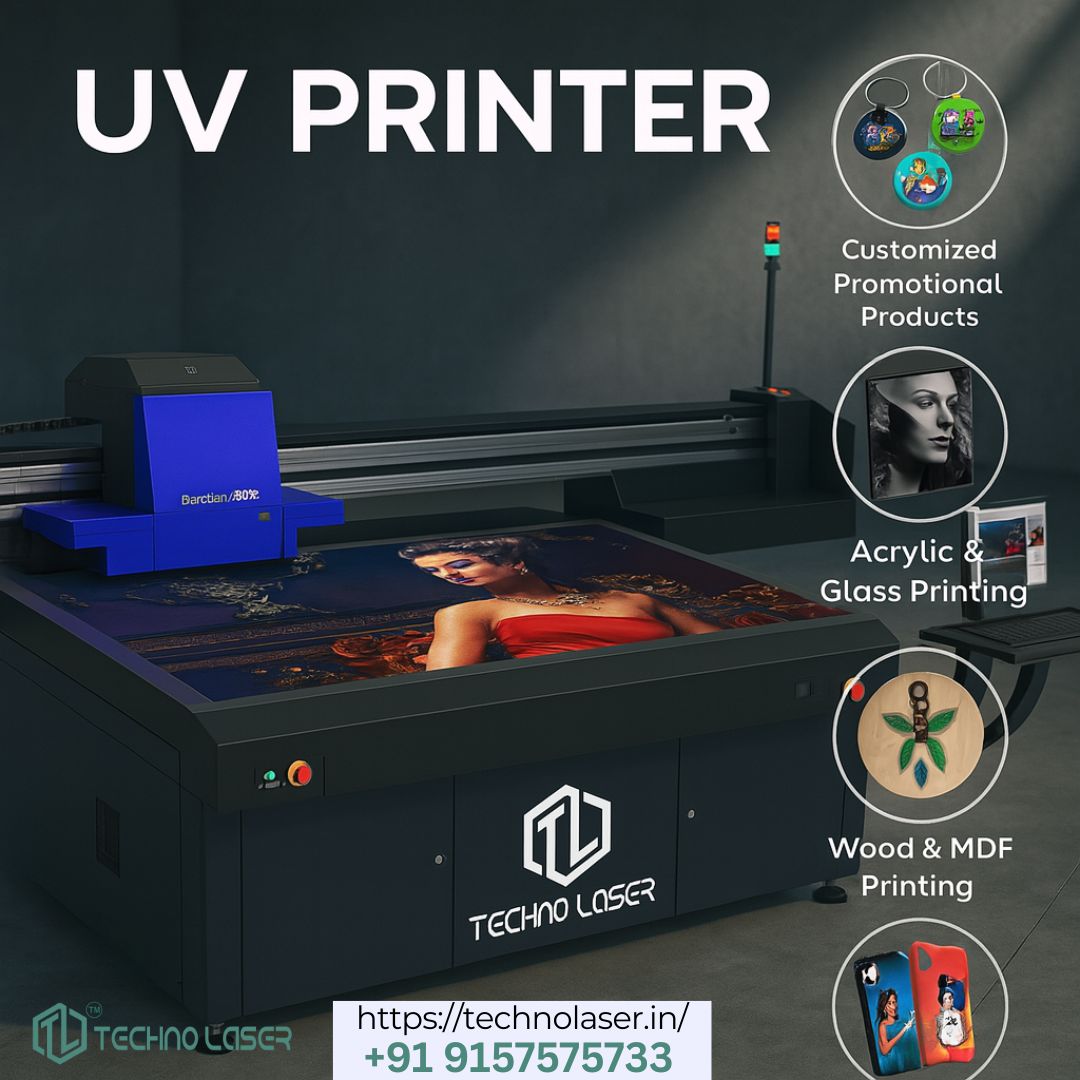
UV Laser Marking Machine Price in India
UV Laser Marking Machine Price in India
Introduction
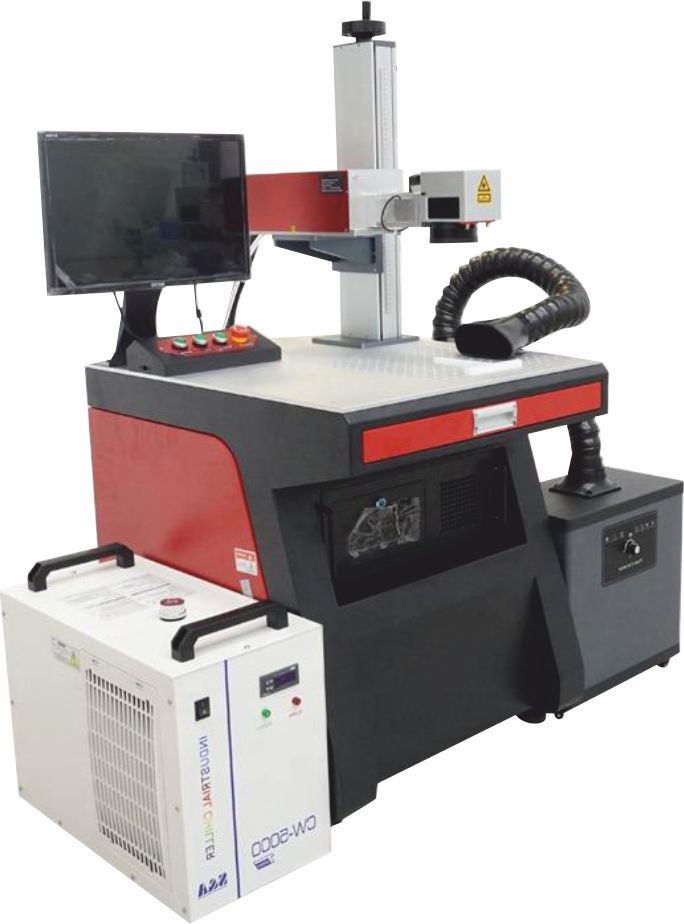
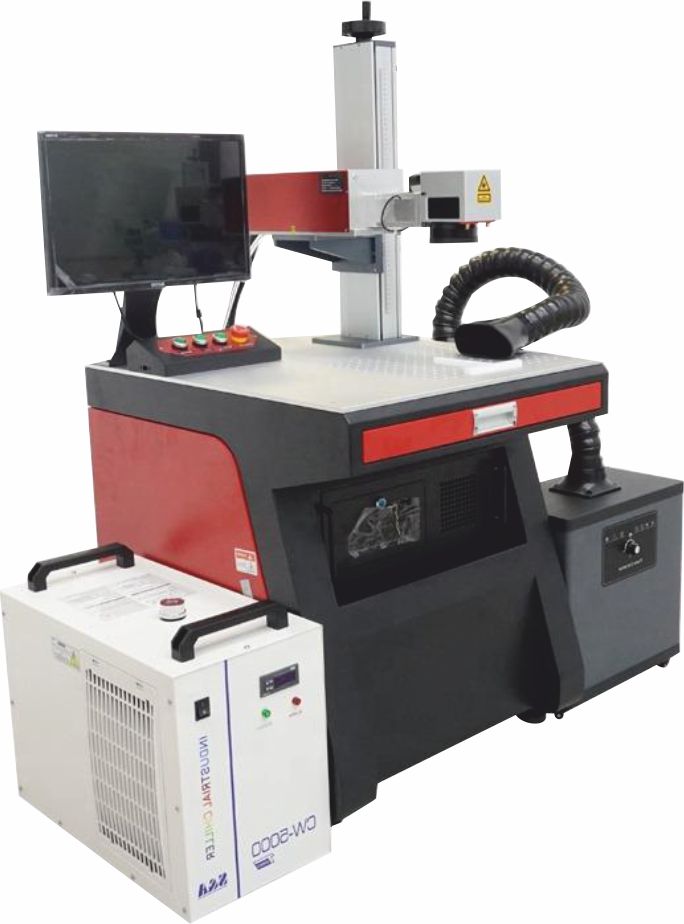
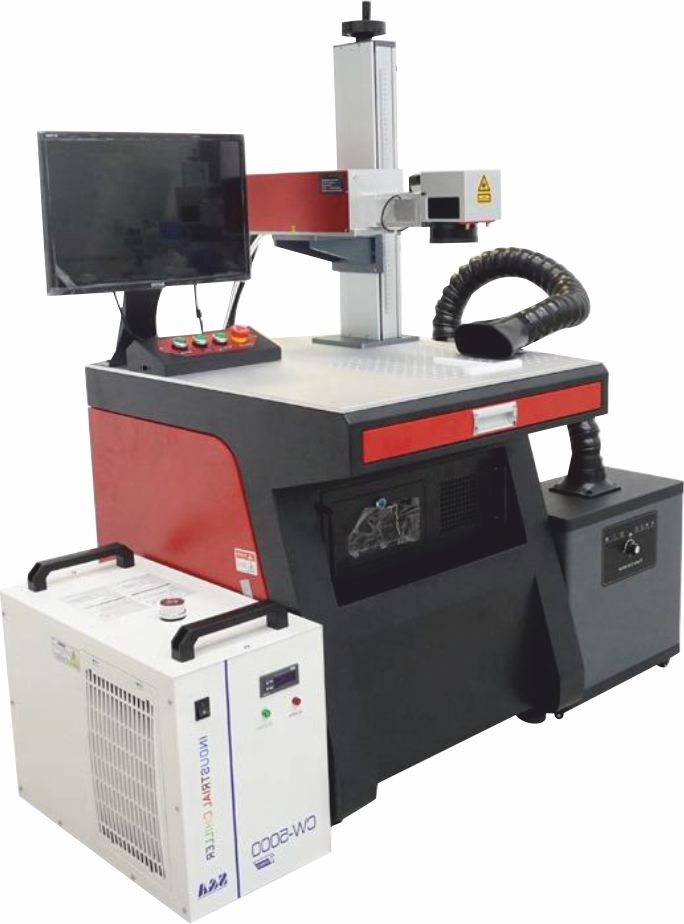
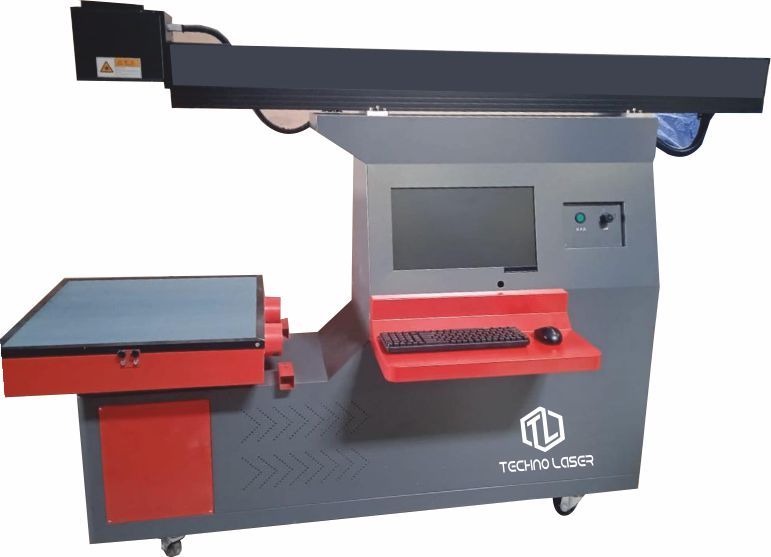
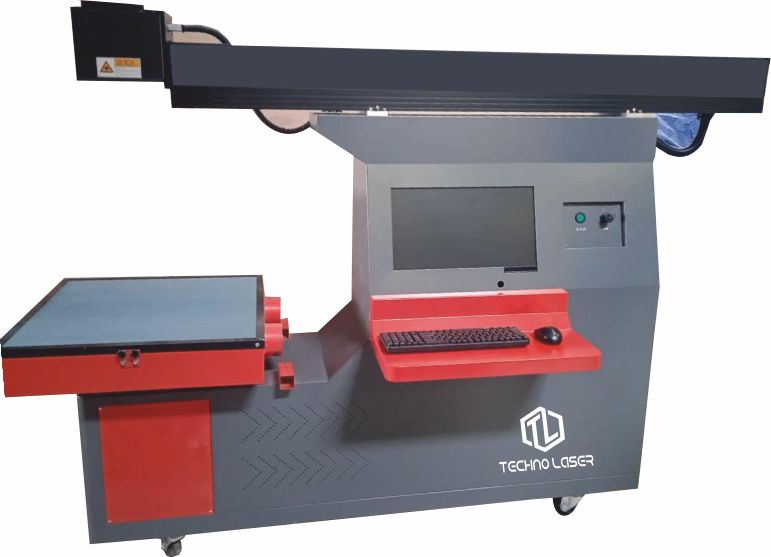
Looking for the UV laser marking machine price in India? UV systems (typically 355 nm) are preferred for high-contrast, micro-precision marking on sensitive materials like plastics, glass, PCB components, cosmetics packaging, medical devices, and coated metals. Pricing in India varies by laser power (3W/5W/10W/15W+), marking area (e.g., 110×110 to 300×300 mm), enclosure/safety level, automation (rotary, conveyors), and after-sales support. As a performance-driven manufacturer in Ahmedabad, Techno Laser offers cost-effective UV markers engineered for crisp, permanent codes (QR/UID), logos, and fine text while keeping consumables and maintenance low—ideal for continuous industrial use.
Working Principle & Process Flow
A UV laser marker generates a 355 nm beam via frequency-tripled DPSS technology. The beam is steered by high-speed galvo scanners through an F-Theta lens to the work surface. At this wavelength, energy is absorbed efficiently by many polymers and coatings, enabling photochemical (cold) marking with minimal heat-affected zone. The operator prepares artwork in the control software (text, serials, barcodes, DataMatrix/QR, graphics), sets power/speed/frequency, and the CNC controller executes the mark. Integrated fume extraction maintains optics and operator safety, while optional Z-axis autofocus and vision alignment ensure repeatable, micron-level accuracy for batch or inline production.
Applications & Benefits — UV Laser Marking
- High-contrast marking on plastics (ABS, PC, PEI, PA) without additives
- Electronics & PCB components: ICs, connectors, switches, sensors
- Medical & pharma: device housings, syringes, vials, IV sets, UDI codes
- Cosmetics & FMCG: caps, bottles, flexible films, anti-counterfeit codes
- Glass & coated metals: date codes, traceability marks, logos
- “Cold” marking—negligible heat-affected zone, no substrate burn
- Ultra-fine features (micro text, 2D codes, hairline logos)
- Excellent contrast on clear/white plastics and coated parts
- Contactless, consumable-lite process; low operating cost
- Clean, permanent, and eco-friendly vs inks/chemicals
Key Features
- 355 nm UV DPSS source (3W/5W/10W/15W+) for high-contrast marks
- High-speed galvo scanner with F-Theta lens (e.g., 110×110 to 300×300 mm)
- Finest spot size enabling micro text and dense 2D/QR codes
- Vision alignment, rotary axis, and conveyor/synchronization options
- Fully/partially enclosed models with interlocks and safety viewport
- Industrial controller with barcode/UID generation & serialisation
- Efficient fume extraction to protect optics and operators
- Robust frame, low vibration, and stable long-run performance
Where to Buy in India
Comparing the UV laser marking machine price in India depends on laser power, marking field, safety enclosure, and automation. Entry 3–5 W desktop units generally fall in the lower-lakhs bracket; 5–10 W production models with larger fields/enclosures sit in the mid-to-upper lakhs; fully-enclosed, high-power or inline-integrated systems can cross the ₹20 lakh mark depending on options. For precise pricing, on-site demos, and customization, connect with Techno Laser in Ahmedabad—reliable engineering, competitive quotations, and strong after-sales support for electronics, medical, FMCG, and packaging sectors. Call +91 8200009229 or email technolaser11@gmail.com to discuss your application and budget.
Maintenance & Safety Tips
Monthly / Quarterly
- Clean F-Theta lens and protective glass with approved lint-free wipes and IPA.
- Inspect galvo scanner mounts; verify focus height and field calibration.
- Replace fume-extraction filters as per load; keep optics dust-free.
Operating Best Practices
- Use interlocked enclosures and UV-rated viewing windows; wear appropriate PPE.
- Match power/speed/frequency to material; avoid over-burn on thin walls/films.
- Maintain ambient 20–26 °C; allow warm-up time for power stability.
FAQs — UV Laser Marking Machine Price in India
Q1 How much does a UV laser marking machine cost in India?
Q2 Why choose UV over fiber or CO2 for plastics and glass?
Q3 What specs impact price the most?
Q4 What are typical maintenance needs?
Q5 Can I integrate UV markers into a conveyor or rotary line?
Get in Touch
Technolaser Euipment • We’re here to help
Relevant Tags
- uv laser marking machine price in india
- uv laser marking machine price near ahmedabad
- 3w 5w 10w uv laser price
- uv laser marking machine with enclosure
- best uv laser marking machine price
- uv coding machine for plastic
- uv vs fiber laser marking plastics
- uv laser for medical devices india
- uv laser pcb marking india
- uv laser for cosmetics packaging
- uv laser udi code india
- uv laser for glass marking
Related Keywords

Quick Enquiry

Our Products
Popular Links
Get In Touch
28,B-Gaikwad Industrial Estate, Near Polaris Industrial Estate, Bakrol-Indore Highway, Kuha Ahmedabad - 382433, Gujarat, India.
technolaser11@gmail.com
+91 8200009229
+91 9157575733
© Techno Laser. All Rights Reserved.
Designed by industrieslead.com