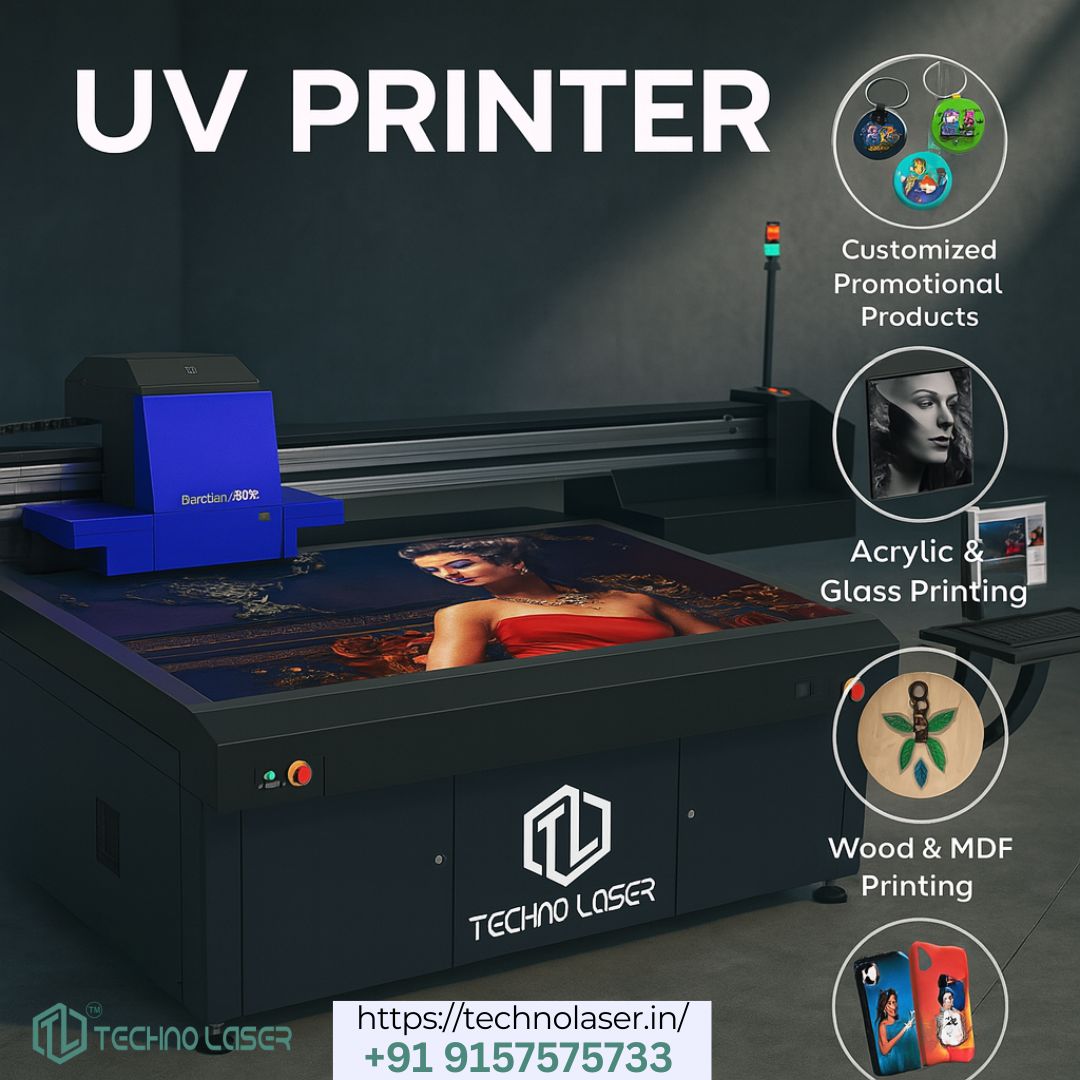
UV Laser Marking Machine Price in India
UV Laser Marking Machine Price in India
Introduction
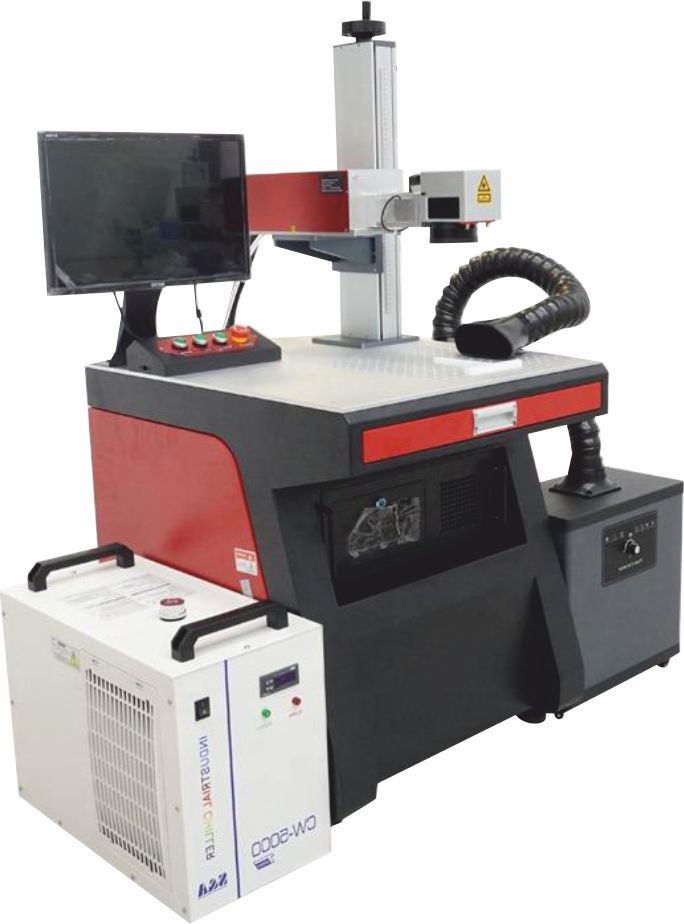
UV laser marking machines (typically 355 nm “cold” lasers) are preferred when you need ultra-fine, high-contrast marks with minimal heat-affected zones on plastics, glass, silicon, and delicate metals. Buyers in India often compare price against output quality, line speed, uptime, and after-sales support. As a ballpark, UV laser markers span from compact 3 W entry systems to high-throughput 10–15 W lines with automation. Price varies by wattage, brand of laser source and scanners, marking area, vision systems, fume extraction, and integration needs. This page explains how pricing is formed, what features matter, and where to buy from a reliable manufacturer—so you can budget wisely for your production, compliance, or branding requirements without compromising lifetime value.
Working Principle & Process Flow
UV laser marking uses a short-wavelength beam (around 355 nm) generated by frequency-tripled solid-state lasers. The beam passes through galvanometric scanners and an F-Theta lens to rapidly position and focus on the target surface. Instead of melting the surface, UV photons typically cause photochemical reactions (ablation or color change) at low thermal load—ideal for polymers, glass, medical devices, and electronics. The operator prepares art or codes (text, QR, UID, batch) in the marking software, sets parameters (power, frequency, speed, hatch), and starts the job. With inline encoders/sensors, the system can mark on moving conveyors. Vision checks confirm readability and placement, while fume extraction keeps optics clean. This “cold marking” flow delivers crisp edges, low burr, and superior legibility for tiny fonts and micro-codes.
Applications & Benefits — UV Laser Marking
- Permanent coding on plastics (ABS, PC, PET, PE), elastomers, and medical-grade polymers
- Micro-marking on silicon wafers, PCBs, FPCs, micro-connectors, and IC packages
- Glass and sapphire marking for pharma vials, cosmetics, and instrumentation
- High-contrast barcodes, DMC/QR, UDI/UID, and batch traceability
- Brand logos and fine text on consumer electronics and precision metal parts
- “Cold” marking → minimal heat-affected zone, no substrate warping
- Ultra-fine spot size for tiny fonts and dense 2D codes
- Excellent contrast on clear/colored plastics and coated surfaces
- Low consumables, clean process, and minimal maintenance
Key Features That Influence Price
- Laser Power & Brand: 3–5 W for light coding; 10–15 W for higher speed/contrast. Reputed sources cost more but offer stability.
- Marking Field & Optics: Multiple F-Theta lenses (e.g., 70×70, 110×110, 150×150 mm) affect cost and flexibility.
- Motion & Automation: XY tables, rotary axes, conveyors, and enclosure interlocks add budget but boost throughput and safety.
- Vision & Traceability: Camera alignment, code grading (ISO/IEC), and MES connectivity are premium add-ons.
- Cooling & Dust Control: Efficient thermal design and fume extraction preserve optic life and reduce downtime.
Where to Buy in India
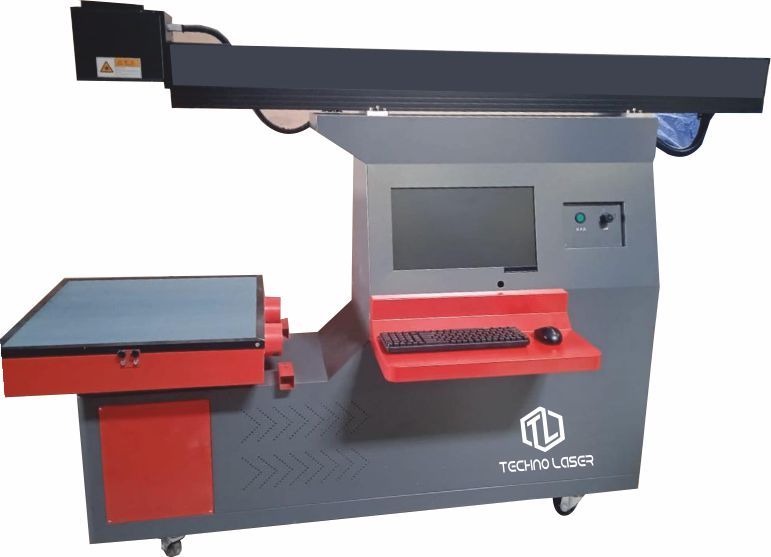
For dependable pricing and project guidance on UV Laser Marking Machines in India, Techno Laser in Ahmedabad provides configuration advice, demos, and integration support. Whether you need a compact bench-top for medical components or an inline system with vision and conveyors, their team helps match wattage, optics, and automation to your KPI targets. Contact the team for a transparent quotation that breaks down base machine price and optional modules so you can scale as your throughput grows.
Maintenance & Safety Tips
Monthly / Quarterly
- Inspect optics (protective window, F-Theta lens) and clean with approved wipes to avoid energy loss and hot spots.
- Verify galvo scanner health, run test patterns, and recalibrate field if marks drift.
- Service cooling and fume extraction; keep airflow paths clean to protect the laser source.
Operating Best Practices
- Use validated parameter sets for each polymer or glass; avoid over-powering to prevent charring or micro-cracks.
- Grade codes (DMC/QR) routinely and log OEE; tune hatch and frequency for consistent contrast.
- Follow Class-UV safety: proper enclosure, interlocks, eyewear rated for 355 nm, and restricted access.
FAQs — UV Laser Marking Machine Price
Q1 How much does a UV laser marking machine cost in India?
Q2 Which factors impact the final price the most?
Q3 Can UV lasers mark metals as well as plastics?
Q4 What throughput can I expect?
Q5 How do I budget for ownership beyond purchase price?
Get in Touch
Technolaser • We’re here to help
Relevant Tags
- uv laser marking machine price in gujarat
- uv laser marking machine price in ahmedabad
- uv laser marking machine price in india
- uv laser marking machine near me
- 3w uv laser marker price
- 10w uv laser marking machine price
- uv laser for plastic marking
- uv vs fiber laser marking
- uv laser with vision system
- bench top uv laser marker
- inline uv laser coder
- best uv laser marking machine manufacturer india
Related Keywords

Quick Enquiry

Our Products
Popular Links
Get In Touch
28,B-Gaikwad Industrial Estate, Near Polaris Industrial Estate, Bakrol-Indore Highway, Kuha Ahmedabad - 382433, Gujarat, India.
technolaser11@gmail.com
+91 8200009229
+91 9157575733
© Techno Laser. All Rights Reserved.
Designed by industrieslead.com